Understanding Sconce Lights: Design and Functionality

Intro
Sconce lights have been a staple in home illumination for centuries, evolving significantly over time. As homeowners increasingly appreciate the balance between utility and design, sconce lights have gained traction as a versatile lighting solution. They can provide ambient light in cozy nooks or act as striking design elements in grand spaces. The focus of this article is to provide readers with a thorough understanding of sconce lights, encompassing their history, various styles, practical installation tips, and maintenance advice.
From the flickering candle sconces of ancient castles to today’s sleek, modern designs, these fixtures serve not just a functional role but also a decorative one. This article will explore how homeowners, interior designers, and DIY enthusiasts can effectively incorporate sconce lights into various environments, enhancing both aesthetics and functionality. By the end of this exploration, readers will appreciate sconce lights not just as mere electrical fixtures but as integral pieces of interior design.
Defining Sconce Lights
Sconce lights are more than just decorative accessories; they serve a purpose that intertwines functionality with design. Recognizing their role in modern interior spaces can significantly elevate the ambiance. This section aims to unravel the distinctive features of sconce lights, their historical pertinence, and the value they bring to a multitude of settings. By grasping the essence of sconce lighting, designers, homeowners, and DIY enthusiasts can make more informed choices for enhancing their spaces.
What is a Sconce Light?
In simple terms, a sconce light is a light fixture that is affixed to a wall. Usually, they don't require any floor space, making them ideal for smaller rooms or areas where floor fixtures cannot be used. These lights can serve various purposes—from providing general illumination to highlighting artwork. They can be designed to hold bulbs, or they may incorporate elements such as candles or flames.
Sconces come in an array of styles, material choices, and functionalities. For instance, some might have shades that diffuse light, creating a soft glow, while others may project a more dramatic spotlight effect.
When chosen carefully, sconce lights can harmonize with the room’s entirety, adding a layer of depth that ceiling lights alone may not provide. They are particularly effective at creating a warm atmosphere, accentuating the architecture of the wall, or bringing a touch of elegance to the decor.
Historical Background of Sconce Lighting
Sconce lighting has a rich and storied past, tracing its origins back to ancient civilizations. The early designs were often rudimentary, serving essentially as holders for torches or candles placed on walls. As time marched on, the functionality evolved; during the Renaissance period, sconces became ornate, showcasing metalwork and intricate designs.
By the time the 19th century rolled around, sconces made a prominent return, especially with the advent of gas lighting and, eventually, electricity. They decorated the walls of grand ballrooms and opulent homes, becoming popular fixtures in both public and private spaces. These times heralded various design movements, from Victorian to Art Deco, each leaving its mark on the style, materials, and use of sconces.
Today, while there's a resurgence in appreciation for vintage designs, modern sconce lights often marry function with minimalist aesthetics. This evolution showcases how sconces can make a statement while remaining practical in usage. Sconce lighting is not just a trend but has become a crucial consideration for achieving balance in any interior design scheme.
"The secret to impeccable interior design lies not just in what's visible but also in the subtlety of light that guides the eye through a space."
Types of Sconce Lights
Understanding the various types of sconce lights is crucial for optimizing both aesthetic appeal and functionality within a space. Sconces come in different shapes and forms, tailored to suit a range of styles and purposes. Choosing the right type is not merely about looks; it's about enhancing the atmosphere of a room while ensuring practical illumination. The diversity in sconce lights allows homeowners and designers to pick options that fit specific needs, whether that be focused lighting or ambient effects. Each type has its own set of characteristics that influence where and how it can be effectively used, ensuring that every nook and cranny of a home is inviting and well-lit.
Wall-mounted Sconces
Wall-mounted sconces are the classic choice among lighting options. They are directly affixed to the wall, freeing up floor space and making them ideal for smaller rooms. An example of this can be found in narrow hallways or cozy nooks, where floor lamps might not fit well.
These sconces often come in myriad designs, from ornate wrought iron to sleek minimalist fixtures. Not only do they serve a functional purpose, but they can also act as art pieces in their own right. When placed strategically, they can highlight artwork or architectural features, creating a sense of drama without an overwhelming presence.
Plug-in Sconces
Plug-in sconces offer a level of flexibility that wall-mounted variants can't always achieve. These fixtures can be installed without hardwiring, making them perfect for rented spaces or for those who want an easy lighting upgrade. Imagine plugging in a stylish sconce beside the bed for late-night reads, or in a colorfully decorated living room to add flair.
Their design can range from whimsical to sophisticated, appealing to different tastes. Given that they do not require wiring, they can be repositioned with ease—ideal for those who like to experiment with room layouts.
Swing Arm Sconces
Swing arm sconces take versatility up a notch. Equipped with a pivoting arm, these sconces can be adjusted to direct light exactly where it’s needed most. They shine in situations where you want to keep things flexible, such as over desks or in reading corners.
Imagine a swing arm sconce beside a favorite chair—it allows you to alter the angle, making your reading experience that much more enjoyable. Additionally, they lend a certain style that balances both a classic and a modern touch, fitting beautifully in a range of home styles.
Recessed Sconces
Recessed sconces, or wall recess lights, offer a sleek and streamlined option for lighting. Installed directly into the wall, these fixtures provide a clean look that is especially appealing in modern interiors. They are perfect for spaces where one desires understated elegance without sacrificing illumination.
Recessed sconces can function as accent lights, effectively enhancing the visual appeal of decorative elements or simply brightening a corridor without drawing attention to themselves. Due to their flush design, they are particularly advantageous in areas with lower ceilings, where hanging lights might encroach on space.
Ultimately, choosing the right type of sconce light involves understanding the unique benefits and characteristics of each variant. Whether you're looking to add drama to your living room or require functional lighting in a hallway, there's a sconce tailored for that purpose.
Design Styles and Aesthetics
Design styles and aesthetics play a crucial role in the world of sconce lighting. Each sconce not only illuminates a space but also serves as a reflection of personal taste and the overall theme of a room. Choosing the right sconce involves understanding how different designs can affect ambiance, merge with existing decor, and enhance the functionality of the space. Moreover, these design elements go beyond mere aesthetics; they can transform ordinary walls into statement features, guiding the eye while providing essential light.

Modern and Contemporary Sconces
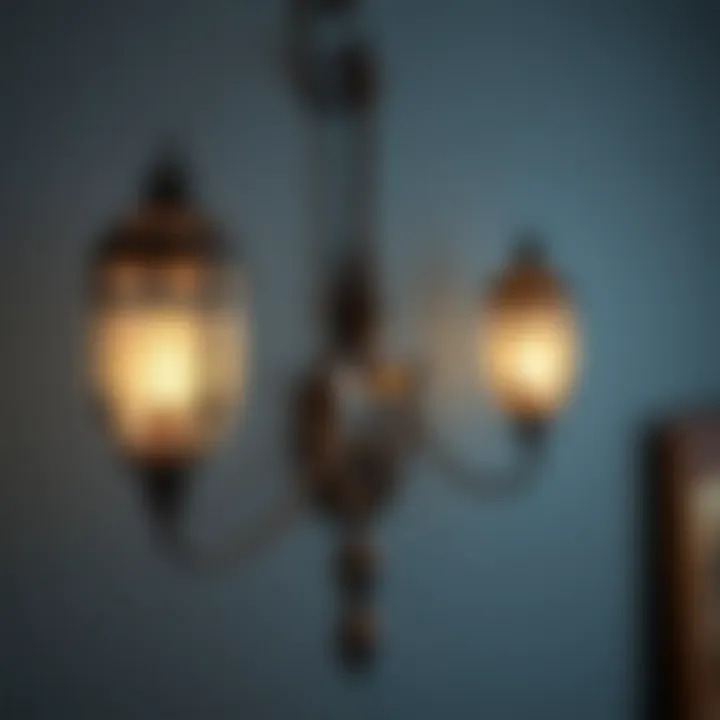
Modern and contemporary sconces are characterized by clean lines, minimal ornamentation, and innovative materials. Designers often opt for sleek metals and geometric shapes that harmonize effortlessly with today’s architecture. Wall sconces from brands like West Elm and Wayfair often utilize LED technology, promoting energy efficiency while maintaining a sophisticated look.
- Benefits of Modern Sconces:
- Versatility: They fit seamlessly in various spaces, from chic city apartments to serene suburban homes.
- Stylistic Cohesiveness: Their simplicity tends to unify decorating styles rather than distract from them, making them ideal for open-concept layouts.
In a world swamped with choices, it's peace of mind to know that these sconces can adapt to evolving design preferences, making them a practical option for those who like to refresh their decor frequently.
Traditional and Vintage Styles
The charm of traditional and vintage sconces lies in their ability to evoke nostalgia and warmth. Often crafted from materials like brass, bronze, or wrought iron, these sconces embrace ornate designs and intricate details.
Examples include the classic candle-style sconces that hark back to colonial times, featuring faux candles and antique finishes. Brands such as Restoration Hardware provide stunning vintage options that capture the essence of bygone eras but with modern safety standards.
Key Aspects of Traditional Sconces:
- Timeless Appeal: They don't easily fall out of favor, often becoming treasured family heirlooms.
- Artistic Craftsmanship: Attention to detail in these pieces can add a grand touch to entryways or living areas.
Industrial and Rustic Designs
Sconces embracing industrial and rustic designs can easily blend raw elegance with contemporary functionality. Utilizing materials like reclaimed wood, exposed bulbs, and blackened metal, these sconces evoke a sense of rugged charm. They make a perfect addition for those who appreciate a bit of grit in their decor.
Retailers like Anthropologie showcase stunning examples that resonate with rustic interior designs or urban loft-living.
- Considerations:
- Durability: Many industrial sconces are meant to withstand the test of time, making them a dependable choice for outdoor settings or high-traffic areas.
- Visual Interest: These sconces encourage creativity in placement and arrangement, providing dynamic illumination that stands out.
Art Deco and Minimalist Approaches
Art Deco sconces transport us back to a time of luxury and elegance. With their bold geometric patterns and the use of glass or crystal, they can add a touch of glamour to a space.
On the flip side, minimalist sconces focus on simplicity and a lack of extravagant detail, exhibiting the philosophy of "less is more."
- Art Deco Elements:
- Minimalist Considerations:
- Layered textures and luxurious materials often create a visual feast, inviting the viewer to appreciate the grandeur of design.
- Minimalist sconces often encourage cleaned-up aesthetics that can make space feel larger and more spacious, allowing light to do its magic without clutter.
By exploring these diverse styles, it’s clear that sconce lights can serve a dual purpose: enhancing visual appeal while providing crucial lighting solutions. This interplay of aesthetics and functionality makes sconce fixtures a staple in modern interior design.
Materials Used in Sconce Lights
The choice of materials in sconce lights is key not just for aesthetics, but also for functionality and longevity. Different materials bring their unique flair, affecting how light is diffused and how sconces fit into various design plans. The material choice can also influence the overall vibe of a space, whether it's a casual, eclectic feel or an opulent, sophisticated ambiance. Let’s break down the common materials used in sconce lights and explore their advantages and considerations as you plan your lighting scheme.
Metal Sconces
Metal sconces are among the most versatile options available, often featuring finishes like brass, matte black, or brushed nickel. The durability of metal means these fixtures can endure wear over time, making them great for both indoor and outdoor environments.
Metal sconces can cast a potent glow, thanks to their reflective nature, illuminating spaces effectively. One must pay attention, however, to the heat generated; metal sconces can warm up, necessitating careful placement.
In a nutshell, metal sconces add a sense of elegance and modernity to any room, but it’s wise to consider where they are positioned to avoid any potential hazards.
Glass and Crystal Accents
Glass and crystal sconces bring a level of sophistication that's hard to beat. These materials not only diffuse light beautifully but also create an ethereal atmosphere. Imagine a softly lit hallway with crystal sconces, reflecting light in a dazzling dance—quite the visual treat. However, there are some considerations. While glass can be fragile, different types, like tempered or frosted glass, can provide more durability without sacrificing style. The detailing in crystal sconces often requires more maintenance to keep them sparkling, which can be a deal-breaker for those looking for low-maintenance options. Glass and crystal bring grace and charm, making them ideal for settings like dining rooms or luxury bathrooms.
Natural Wood Elements
Natural wood elements in sconces offer a warm, organic touch that resonates well with rustic and contemporary aesthetics alike. The texture and grain of wood can introduce a tactile element, making the sconce almost a piece of art in itself. Light filtering through wood can create soft shadows, adding depth to a room's decor. On the flip side, wood requires some understanding when it comes to placement; excessive moisture or direct sunlight can warp or damage it over time. Also, regular maintenance, such as oiling or sealing, may be necessary to keep it looking its best. Nonetheless, for those keen on fostering a connection with nature in their decor, wooden sconces can be a fulfilling choice.
Fabric and Other Materials
Fabric sconces, often adorned in textiles like linen or silk, bring a softness and warmth that's difficult to achieve with harder materials. These sconces can help in sound absorption too, making them useful in spaces like home theaters or libraries, where ambiance is paramount. However, they often require more care—dusting and cleaning to preserve their look over time, plus considerations regarding the type of light bulbs used to prevent overheating. The beauty of fabric sconces is that they can be customized to match any decor style, making them incredibly adaptable in one’s interior design.

Pro Tip: When selecting sconces, consider not only their aesthetic appeal but also how well they will meet practical needs, including maintenance and security features.
As you design your space, understanding the materials behind sconce lights will help you make informed choices that embody your style while still catering to functional requirements. Each material offers a different persona, attracting specific audiences and complementing others' decor choices. Ultimately, it’s about finding the right fit for your environment.
Functionality and Placement
When it comes to sconce lights, functionality and placement are hand in glove. Understanding how these lights serve as both decorative accents and practical illumination sources can profoundly influence a homeowner's design decisions. By fusing aesthetic appeal with functional purpose, sconce lights emerge as key players in shaping ambient lighting in various rooms. In this section, we will explore the intricacies of illumination techniques, strategic placement tips, and how to complement other lighting sources.
Illumination Techniques
Sconce lights are not merely fixtures hung on walls; they're vital components in the orchestration of light within a space. Here are some common illumination techniques used with sconces:
- Up-lighting: This approach directs light upwards, creating a feeling of height and spaciousness in the room. It can make ceilings appear higher and is often used in spaces with interesting architectural details.
- Down-lighting: Conversely, down-lighting focuses illumination downward, making it particularly effective for areas like hallways where clear visibility is critical.
- Grazing: This technique involves positioning the sconce close to a textured wall to create shadows and depth, emphasizing surface details. It's perfect for art galleries or rooms featuring interesting wall textures.
- Wall-washing: A method that diffuses light across a wide area, wall-washing creates a softer, more inviting glow. It's ideal for rooms where a relaxed atmosphere is desired.
By employing these techniques wisely, homeowners can create unique visual effects and accentuate certain features in their spaces. The right technique doesn’t just lighten your home—it sets the mood.
Strategic Placement Tips
Placement of sconce lights is where the rubber meets the road. Poor positioning can dim their effectiveness and mar the overall design of a room. Here are some tips to ensure your sconces shine:
- Height Matters: Installing sconces about 60 inches from the floor is a golden rule. This height typically aligns with eye level and provides adequate light without creating glare.
- Flank Your Features: Whether it’s a piece of artwork, a mirror, or a fireplace, placing sconces on either side enhances focus and provides balanced illumination.
- Create Layers: Pairing sconces with overhead lights and table lamps brings dimension to your lighting scheme. Think of sconces as the supporting cast, drawing attention to your room’s main features.
- Consider Functionality: Different rooms serve different purposes. For instance, sconces in the living room might emphasize ambiance, while those in a hallway require practicality for navigation.
By adhering to these simple rules, you can avoid common pitfalls that might otherwise lessen the impact of your lighting design.
Complementing Other Lighting Sources
Sconce lights should play well with others in your design space. Achieving a harmonious lighting scheme relies on integrating sconces with various other light sources to fulfill both aesthetic and functional needs. Here are a few ways to harmonize your sconce lighting with other fixtures:
- Layering Light: Mixing ambient, task, and accent lighting will create a balanced environment. Use sconces to complement ceiling fixtures and table lighting, creating a dance of light across the room.
- Color Temperature Considerations: Ensure that sconces match the color temperature of other light sources—warm whites often create a cozy atmosphere, while cooler tones promote alertness.
- Dimmer Switches: Adding dimmers can be a game-changer. They allow you to adjust light levels according to the time of day or mood, making any sconce versatile in functionality.
- Coherent Style: Keeping a consistent design language across sconces and other light sources ties the room together. Whether you prefer a minimalist look or a more eclectic approach, ensure all fixtures complement each other.
In summary, functionality and placement of sconce lights cannot be overlooked. Like the right seasoning in a dish, the careful arrangement and thoughtful techniques can amplify the effects and styling. For more insights into triple the effect of light layering, check out resources like Wikipedia or explore discussions on design choices at Reddit.
"Sconce lights breathe life into a room, enhancing both its utility and allure."
Ultimately, understanding how to maximize the functionality and placement of sconce lights isn't just about illumination—it's about artfully crafting experiences within your living spaces.
Installation Considerations
Installation of sconce lights isn't just a technical task; it's a crucial aspect that can significantly alter the aesthetic and functional dynamics of any given space. Before diving into the nitty-gritty, it's worth noting that the right installation can transform an otherwise mundane wall into a glowing centerpiece. Whether you're considering a DIY approach or opting for a professional touch, understanding the key components of installation is indispensable.
Benefits abound when considering the installation details, ensuring that sconce lights subtly blend with interior designs while optimally serving their lighting functions. Proper placement, electrical safety, and material choice all come into the equation.
"A well-placed light can not only enhance visibility but also elevate the ambiance of a room."
When setting your sights on the installation phase, think about the following:
- Voltage Requirements: Ensure that the sconce lights you choose are compatible with the voltage levels in your home.
- Wiring Needs: Understanding whether a new circuit is needed or if you're reusing existing wiring can save time and effort.
- Height and Angle: General rules suggest that wall sconces should be installed approximately 60 to 66 inches off the floor. This height allows the light to effectively illuminate without obstructing views.
- Local Codes: Familiarity with local building codes can prevent headaches down the road. It’s always advisable to consult regulations applicable to your locality.
Once you grasp these key elements, you’ll be better equipped to make informed decisions as you move forward into the trenches of either DIY installation or enlisting professional help.
Maintenance and Care
Maintaining sconce lights is essential in ensuring that their aesthetic and functional aspects remain intact over time. When homeowners invest in these decorative light fixtures, understanding how to care for them can extend their life and keep them looking pristine. Regular maintenance not only enhances their appeal but also ensures safety and efficiency in illumination.
Cleaning Techniques for Different Materials
Different materials used for sconce lights require unique cleaning techniques to avoid damage. Here are some tips on how to tackle cleaning based on the material:
- Metal Sconces: For those made of metals like brass, bronze, or steel, dusting them frequently is important to prevent tarnishing. A soft microfiber cloth dampened with warm water is ideal. For stubborn stains or tarnish, a mixture of vinegar and water can work wonders. Avoid using abrasive materials that could scratch the surface.
- Glass and Crystal Accents: Cleaning these can be tricky, but it’s vital for maintaining brilliance. Use a mixture of dish soap and warm water, and a soft cloth to wipe them down. For more intricate designs, a soft toothbrush can help reach delicate corners. Rinse thoroughly to avoid soap residue which could dull the shine.
- Natural Wood Elements: With wood, less is more. A lightly damp cloth can suffice, while too much moisture can lead to warping. Regularly applying a wood polish can keep the finish looking fresh and vibrant.
- Fabric and Other Materials: Fabric-covered sconces may need special attention. Use a lint roller to remove dust, followed by a gentle vacuum using an upholstery attachment. If stain issues arise, a fabric cleaner suitable for the specific material should be tested on a small patch first to avoid discoloration.
Remember: Regular maintenance can prevent major mishaps. It’s better to deal with a little dust now than a dirty fixture that requires a complete overhaul later.
Replacing Bulbs Safely

Replacing bulbs in sconce lights may seem straightforward, but it calls for caution. Here’s how to do it step by step:
- Turn Off Power: Safety first. Always switch off the power at the breaker before you start working on any light fixture.
- Allow Bulbs to Cool: If the bulb was recently on, give it some time to cool down to avoid burns.
- Remove the Old Bulb: Gently twist the old bulb counterclockwise until it comes loose. Avoid applying too much force. If it's stuck, using a cloth can offer a better grip.
- Check the Wattage: Make sure to replace it with a bulb that matches the wattage requirements of the sconce to prevent overheating or bulb damage.
- Install the New Bulb: Insert the new bulb by twisting it clockwise until secure. Ensure it’s seated properly before turning the power back on.
- Restore Power: Flip the switch on or turn the breaker back on and test the new bulb. If it flickers or doesn’t light up, revisit the connections and check if it’s correctly fitted.
For further instructions and safety standards, resources such as the National Electrical Code or information on sites like electrical-safety.org could provide excellent guidance.
By applying these maintenance and care tips, homeowners can ensure their sconce lights remain beautiful and functional for years to come.
Sconce Lights in Different Environments
Sconce lights don’t just provide illumination; they also enhance the aesthetic of a space. Each environment has its unique characteristics that can greatly benefit from sconce lighting. In this section, we’ll explore how walls meet sconces across various areas in your home, underscoring the practical and stylistic advantages these fixtures bring when integrated thoughtfully.
Living Rooms
The living room often serves as the heart of the home, where family gathers and friends are entertained. Here, sconce lights can complement existing overhead fixtures, creating layers in lighting that enhance the ambience. Decorative sconces flanking a fireplace can offer a warm and inviting glow while also accentuating design details, such as artwork or architectural features.
- Use sconces to highlight focal walls or artwork.
- Consider dimmable options to adjust brightness according to the time of day.
- Play with different styles to suit your overall decor—modern, vintage, or eclectic.
The placement height is crucial; mounting sconces at eye level can draw interest, while higher placements create a soft wash of light. Thus, strategic lighting design can alter the texture of the room and create a space that feels both inviting and uniquely yours.
Hallways and Staircases
Hallways and staircases often get overlooked in terms of aesthetics. However, placing sconce lights here can dramatically change the perception of these transitional spaces. Adequate lighting ensures that safety and style go hand in hand.
- Installing sconces in pairs or threes helps guide passage while adding a theatrical touch.
- Opt for fixtures that provide downward light, illuminating steps and pathways effectively.
In hallways, sconces can be employed to create an inviting ambiance without the harsh glare of overhead lights. For staircases, consider sconces with additional safety features, such as integrated motion sensors, which can light the way when needed, while also adding a contemporary feel to the area.
Bedrooms
In bedrooms, the goal is generally to cultivate a restful and cozy atmosphere. Sconce lights offer a versatile solution by serving both practical and decorative functions. They can provide soft, ambient light and are an ideal alternative for bedside lamp placements, especially in small spaces.
- Choose sconces with adjustable arms for reading in bed.
- Select warm-colored bulbs to foster a calming environment.
Moreover, sconces also work magnificently in creating a more spacious appearance. Instead of bulky side tables with lamps, wall-mounted sconces free up valuable space while maintaining functionality. This opens up the room for greater flow, proving that design can be both beautiful and efficient.
Bathrooms
Bathrooms demand a leap into practicality, paired with a touch of elegance. Sconce lights here can amp up the style factor while ensuring adequate visibility for daily routines. When placed near mirrors, these fixtures can provide flattering lighting for personal grooming tasks.
- Install sconces at eye level adjacent to mirrors for optimal lighting.
- Waterproof options are essential to withstand any moisture environment.
Another advantage of sconce usage in bathrooms is flexibility. They can either serve as primary light sources or enhance ambient lighting when paired with other fixtures like mirrors with integrated lights. By paying attention to placement and style, sconces can transform a utilitarian space into a spa-like retreat.
Trends and Innovations in Sconce Lighting
Lighting, specifically sconces, is evolving continually, adapting to modern aesthetics and functionality needs. In today's fast-paced world, trends in designs and technologies reflect our changing lifestyles. Understanding these trends is vital for homeowners, designers, and decorators alike as they seek to enhance spaces with both beauty and practicality.
The recent surge in innovation is reshaping how sconce lights are perceived and utilized. Factors such as energy efficiency, user experience, and sustainability are no longer just buzzwords. They are integral to the decision-making process for consumers looking to invest in lighting that meets their needs while being visually pleasing.
"Sconce lights are redefining spaces, where elegance meets eco-consciousness."
Smart and Energy-efficient Options
These days, smart sconce lights are all the rage. They can be controlled via smartphones or even voice commands, providing a level of convenience that speaks to a modern lifestyle. Imagine dimming the lights from across the room or adjusting the color as per the mood. Smart sconces often integrate with home automation systems, making them an attractive choice for tech-savvy homeowners.
Some benefits of smart sconces include:
- Remote Accessibility: Adjust the lighting when you're not home.
- Energy Savings: Many smart models come with energy-efficient LED options that last longer and use less power.
- Customizable Settings: Tailor the lighting for different occasions, whether it's a cozy evening with friends or a bright morning read.
In essence, choosing smart and energy-efficient sconce options is a win-win situation for style, practicality, and sustainability, encouraging users to embrace innovation without compomising on aesthetic appeal.
Sustainable Materials and Designs
As environmental awareness continues to rise, sustainable materials have found their way into sconce design. Homeowners are leaning towards options that not only enrich their decor but also reflect their values. Products made from responsibly sourced wood, recycled metals, and biodegradable materials are becoming increasingly available. This trend toward sustainability is about more than just the materials; it's a commitment to a better future.
Considerations when selecting sustainable sconces:
- Material Source: Look for suppliers who prioritize environmental responsibility.
- Durability: Choose materials that stand the test of time to avoid waste.
- Aesthetics and Functionality: Modern sustainable sconces often marry innovative designs with practical use, providing distinct visual appeal without the overhead of poor construction.