Essential Guide to Small Thin Bathroom Cabinets
Intro
In today’s world, where homes are shrinking and every square inch counts, small thin bathroom cabinets emerge as a solution both stylish and practical. Imagine navigating through a compact bathroom filled with necessities, only to be hindered by lack of space for your toiletries or cleaning supplies. These cabinets serve not just as storage but also enhance the ambiance of a bathroom, marrying functionality with elegance. This article dives deep into the world of small thin bathroom cabinets, exploring how they optimize space while contributing to the decor.
Furniture Design Styles
Overview of Popular Styles
When it comes to selecting small thin bathroom cabinets, the design style plays a pivotal role. Homeowners and designers alike should consider various styles that align with the overall aesthetic of the bathroom. Here are several prevalent design styles:
- Modern: Characterized by clean lines and minimalistic features, modern cabinets often come in shades like white or grey. They create an illusion of more space and are perfect for smaller bathrooms where every bit of openness counts.
- Rustic: For those leaning towards a warm, inviting atmosphere, rustic cabinets made from reclaimed wood can add character. They bring a cozy vibe, enhancing the feeling of a retreat.
- Contemporary: Blending current trends with functionality, contemporary cabinets might include features like built-in lighting or unique finishes to ensure they stand out without taking up too much space.
- Traditional: For a more classic approach, traditional cabinets crafted from rich woods with intricate detailing can contribute a touch of elegance, making even a small bathroom feel luxurious.
How to Mix and Match Styles
You don’t need to stick to one style; mixing can lead to stunning designs! Here are some thoughts on blending styles:
- Contrast: Pair a rustic cabinet with sleek, modern faucets. This contrast can create focal points that draw the eye.
- Color Palette: Stick to a cohesive color scheme when blending styles. For instance, muted tones can tie different styles together, creating balance.
- Functional Decor: Use decorative elements that serve a purpose, like stylish baskets or chic soap dispensers, to enhance the look without cluttering your space.
"Design is not just what it looks like and feels like. Design is how it works." – Steve Jobs. This quote epitomizes the functionality behind the style decisions we make in bathroom design.
Practical Tips for Homeowners
Essential Buying Tips
Selecting a small thin cabinet involves several factors. Consider these tips:
- Measure Your Space: Always measure the available space before purchasing. A cabinet that’s too large can overwhelm a small bathroom.
- Material Matters: Opt for moisture-resistant materials, especially in a bathroom where humidity is high. Look for cabinets made from materials such as laminate or PVC.
- Consider Functionality: Browse cabinets with shelves and drawers. Maximizing storage through clever designs can turn a small area into a powerhouse of organization.
Maintenance and Care Guidelines
To maintain the beauty and functionality of your cabinet:
- Regular Cleaning: Wipe down with a damp cloth to keep surfaces free of soap scum and dust. Consider using mild detergents.
- Check for Damage: Regularly inspect hinges and handles. Address any issues before they escalate; this keeps your cabinet functioning smoothly.
- Humidity Control: Make sure the bathroom is well-ventilated. Keeping air circulating helps prevent damage to wood and reduces mold formation.
Explore more about designing small spaces on Wikipedia or check insights on Reddit. Make the most of what you've got, and keep your bathroom both functional and beautiful.
Preface to Small Thin Bathroom Cabinets
In today's fast-paced world, where space is often at a premium, small thin bathroom cabinets have emerged as a vital solution. These cabinets don’t just serve a functional purpose; they also play a significant role in enhancing the aesthetic appeal of a bathroom. With the right choice, one can transform a cramped washroom into an organized and visually pleasing space.
One of the key aspects of small thin cabinets is their ability to offer ample storage without overwhelming the area. They fit snugly into tight corners or narrow walls, turning previously underutilized spaces into storage havens. Unlike heavier, bulkier furniture, these streamlined cabinets maximize vertical space, allowing homeowners to declutter while maintaining an open feel.
Moreover, small thin cabinets can be a statement piece. Homeowners can choose designs that align with their personal style—from sleek modern aesthetics with clean lines to more classic, vintage looks. The materials and finishes available today bring versatility, ensuring that every bathroom can benefit from the right cabinet selection, irrespective of its style.
Homeowners and designers alike should consider the fundamental design principles associated with these cabinets. This involves not just picking a cabinet that fits the dimensions of the space but also one that complements existing fixtures and decor. Whether it’s a minimalist approach or a more eclectic design, being mindful of the overall coherence in style can create a greater impact.
Moreover, the practical aspects shouldn't be overlooked. For a bathroom that experiences high humidity levels, cabinets made from moisture-resistant materials are essential. This contributes to the durability and longevity of the cabinet, saving time and money on future replacements.
Ultimately, small thin bathroom cabinets are more than mere storage solutions. They possess the potential to enhance both functionality and design in small bathrooms. By thoughtfully integrating these cabinets into a bathroom's landscape, one can achieve the perfect blend of beauty and utility, making every inch count.
The right cabinet can transform the mundane into the magnificent.
Exploring these cabinets presents an opportunity to rethink how we utilize our bathroom spaces without compromising on style.
Understanding the Importance of Space Optimization
Space optimization is a pivotal theme in the context of small thin bathroom cabinets. These cabinets are not merely pieces of furniture; they serve a dual purpose in both enhancing storage and contributing to a sense of spaciousness and order in a confined area. Maximizing space is crucial, especially in bathrooms that often lack sufficient square footage for standard-sized cabinets. The right cabinet can turn an otherwise cluttered corner into a sleek storage solution, allowing every inch of space to be utilized effectively.
When it comes to small bathrooms, innovative storage solutions are essential. Homeowners and designers alike must consider how every piece of furniture fits into the overall design. Notably, small thin cabinets can create vertical storage options without overwhelming the room. This dynamic allows users to store items above the ground, freeing up floor space and giving the illusion of a more expansive area. Furthermore, incorporating smart design elements can reduce the time spent looking for essentials, effectively merging functionality with convenience.
“The more organized and efficient a space, the larger it feels.”
This adage rings especially true in small bathrooms, where visual clutter can easily create a chaotic atmosphere. Well-organized cabinets lead to a serene environment, promoting relaxation when one is getting ready or unwinding after a long day.
The Role of Storage in Small Bathrooms
In small bathrooms, storage isn't just practical; it's a fundamental aspect of ensuring the area functions smoothly. A small thin cabinet can provide necessary storage while maintaining an airy feel. For instance, consider a vertically designed cabinet that extends upwards. This approach allows for ample shelf space, perfect for towels, toiletries, and even decorative items. By grouping items efficiently, one can keep the essentials at arm's reach, while seldom-used supplies are neatly tucked away at the top.
Furthermore, cabinets with built-in drawers can facilitate organization. Drawers can house everything from cleaning supplies to personal grooming products, ensuring that they’re out of sight yet readily accessible. This can prevent the appearance of clutter and keep the bathroom looking tidy, creating an environment conducive to a calming routine.
How Cabinets Influence Bathroom Aesthetics
It might seem trivial, but the aesthetic contribution of cabinets to a bathroom can be monumental. Cabinets influence a bathroom's overall appearance by connecting various design elements, such as colors, shapes, and materials. A small thin cabinet can serve as a focal point or quietly complement the existing décor depending on its finish and design. For example, a sleek black cabinet with a matte finish exudes modern elegance, while a distressed wood cabinet could add rustic charm.
The right choice can also enhance natural light, giving the illusion of an even larger space. Bright colors and reflective surfaces, such as glass, can accentuate light, creating a more welcoming environment. Additionally, incorporating styles that align with existing fixtures can elevate the overall design, ensuring coherence throughout the space.
Given that bathrooms are often intimate spaces, it's essential to create an atmosphere that to one’s taste. Therefore, selecting the right cabinet can impact not only function but also the feelings evoked in this private sanctuary.
Key Design Styles for Small Thin Cabinets
Selecting the right design style for small thin bathroom cabinets is crucial as it influences both functionality and visual appeal. The bathroom often serves multiple purposes, from a space for self-care to a transient area for guests. Hence, the cabinet design should harmonize with personal aesthetics while optimizing space. By choosing suitable styles, homeowners can enhance their bathroom's character, achieving a delicate balance between utility and design.
In this section, we will explore minimalism, the contrasting flavors of modern versus traditional designs, and how to pick styles that resonate with your bathroom's overall vibe. Creating a well-integrated bathroom requires an understanding of these elements, ensuring that cabinets not only serve a purpose but elevate the space as a whole.
Minimalist Design Principles
Minimalism is all about simplicity and functionality. In the context of small thin bathroom cabinets, this design philosophy emphasizes clean lines, a lack of clutter, and a profound awareness of what is truly necessary. Such cabinets are typically devoid of excessive ornamentation, focusing instead on form and material.
One of the core principles of minimalism is the concept of "less is more." This means that using fewer elements can actually make a space feel larger. Inserted into a compact area like a small bathroom, a minimalist cabinet can create visual breathing room. Sleek finishes in neutral shades can reflect light, further enhancing the sense of space.
Key characteristics of minimalist cabinets include:
- Simple Shapes: Straight lines and geometric forms that blend seamlessly with the bathroom's architectural style.
- Functional Accessories: Essentials like easy-open drawers to keep the focus on effective use of space.
- Quality Materials: A preference for high-quality woods or laminate that showcase a natural look.
With a minimalist cabinet, you’re not just investing in a storage unit; you’re inviting simplicity and clarity into one of the most personal spaces of your home.
Modern vs. Traditional Aesthetics
When it comes to cabinet designs, the choice between modern and traditional aesthetics can shape the bathroom's atmosphere significantly. Modern cabinets are often associated with new materials and innovative forms, while traditional cabinetry harkens back to classic styles and craftsmanship.
Modern cabinets often feature:
- Sleek and Angular Designs: Utilizing materials like glass, metal, or acrylic, these cabinets promote an open and airy feeling.
- Bold Colors and Patterns: They may also embrace vibrant colors and graphic patterns, which stand out as a focal point.
On the other hand, traditional cabinets are characterized by:
- Rich Wood Finishes: Oak, cherry, or mahogany are popular choices that add warmth and timelessness.
- Detailed Carvings: Intricate designs often tell a story, giving a personal touch to the space.
The choice between modern and traditional should reflect your unique taste. A modern cabinet can rejuvenate a dated space, while a traditional cabinet adds charm and character.
Choosing a Style That Complements Your Bathroom
When selecting a cabinet style, it is critical to consider the overall aesthetic of your bathroom. The right style should not only fit the cabinet's function but also resonate with the existing décor and fixtures. Before making a decision, ask yourself the following:
- What is the current theme? An industrial bathroom may benefit from metal cabinets, while a rustic design might align better with wooden finishes.
- What colors and textures are predominant? A balance can be struck by choosing a cabinet that either matches or contrasts effectively with these elements.
- How much space is available? Ensure that the chosen style does not overcrowd the bathroom, particularly in smaller layouts where every inch counts.
Integrating style with utility ensures a harmonious invironment that feels both organized and visually appealing.
In summary, understanding key design styles helps you choose the right small thin bathroom cabinet that not only fulfills storage needs but also enhances the living experience within the space.
Materials Used in Cabinets: Pros and Cons
When it comes to selecting small thin bathroom cabinets, the materials you choose can make all the difference. The right material not only impacts the aesthetics but also determines durability, maintenance, and functionality. Understanding the pros and cons of various materials empowers homeowners and designers to make informed decisions that enhance both appearance and usability.
Wood vs. MDF: Material Comparison
Wood has long been revered for its classic appeal, offering a robust look that can elevate the elegance of any bathroom space. Solid wood, like oak or maple, can withstand the test of time and age beautifully with proper care. But, as lovely as wood is, it does come with a few caveats:
- Pros of Wood:
- Cons of Wood:
- Durability: Solid wood is tough and can last for decades if maintained well.
- Aesthetic Value: Variety of grains and finishes available, allowing for a personalized touch.
- Repairability: Scratches and dents can be sanded down and refinished.
- Cost: Natural wood tends to be pricier than its engineered counterparts.
- Moisture Sensitivity: In humid environments, wood can warp or swell if not properly sealed.
MDF (Medium Density Fiberboard), on the other hand, emerges as a cost-effective solution that doesn't skimp on appearance. Made from wood fibers glued together under heat and pressure, MDF can be molded into various shapes and finishes. Here’s a closer look:
- Pros of MDF:
- Cons of MDF:
- Affordability: Generally cheaper than solid wood, making it accessible for many budgets.
- Versatility: Easily painted or veneered, mimicking the look of natural wood or other finishes.
- Uniformity: No knots or grain patterns allow for smooth, seamless designs.
- Durability: While solid, it can chip or break under heavy weight.
- Moisture Resistance: Vulnerable to water damage if not properly sealed, leading to deterioration.
Metal and Glass: Contemporary Choices
In recent years, metal and glass have emerged as popular materials for bathroom cabinetry, particularly for modern spaces. These materials exude a sleek, contemporary vibe that can transform a small bathroom into a stylish retreat. Let's delve into their respective benefits and drawbacks:
- Pros of Metal:
- Cons of Metal:
- Pros of Glass:
- Cons of Glass:
- Strength and Longevity: Metal cabinets can handle heavy usage without compromising structural integrity.
- Easy Maintenance: Surfaces are typically easy to clean and resistant to fading or discoloration.
- Aesthetic Appeal: Can create a minimalist look or integrate into industrial-style designs.
- Cost: Quality metal options can be on the higher end of the price spectrum.
- Heat Conductivity: Can become hot to the touch when exposed to high temperatures.
- Light Reflection: Adds a sense of space and brightness, making small bathrooms feel larger.
- Design Flexibility: Available in various styles, from frosted to clear, providing options for privacy and aesthetics.
- Combination Possibilities: Pairs well with wood and metal for a modern, layered look.
- Fragility: Glass is susceptible to breaking, which may not be ideal in high-traffic areas.
- Cleaning Needs: Fingerprints and water stains can require regular maintenance to keep surfaces pristine.
In these discussions, it's clear that the material choice for small thin bathroom cabinets goes beyond mere looks; it shapes the entire experience within the space. When selecting your materials, consider not only aesthetics but factors like maintenance and durability to ensure you get the most bang for your buck, and keep that bathroom looking sharp for years to come.
"Choosing the right cabinetry material is as essential as picking out the cabinet itself. Each choice carries advantages and trade-offs that can either enhance or detract from your overall design."
By weighing the practical considerations and personal preferences, you can achieve a balance that mirrors your unique style while meeting your needs.
Dimensions and Measurements: Finding the Right Fit
Choosing the right dimensions and measurements for small thin bathroom cabinets is pivotal, not just for aesthetics, but for functionality as well. With bathrooms often being confined spaces, ensuring that cabinets fit seamlessly into the existing layout can greatly enhance the room’s usability. The right size also plays a crucial role in optimizing storage—balancing between ample space for necessities and maintaining a clean, uncluttered look.
When considering a bathroom cabinet, various factors come into play. For instance, the height, width, and depth must complement the overall proportions of the bathroom. Measurements should not be taken lightly; one miscalculation could result in a cabinet that either overwhelms the space or leaves it feeling bare. Therefore, understanding standard cabinet sizes alongside measuring one’s bathroom accurately is essential.
Standard Dimensions for Bathroom Cabinets
Standard bathroom cabinet dimensions vary widely. Most cabinets range from around 24 to 48 inches in width and 30 to 36 inches in height. Here’s a practical guideline:
- Width:
- Height: A typical height ranges between 30 to 36 inches, but for those looking to fit something under a sink or utilize a more custom dimension, getting specific measurements is key.
- Depth: Depending on design and storage needs, the depth typically falls between 12 to 24 inches. Thinner cabinets can go as shallow as 12 inches, maximizing floor space while remaining functional.
- 24 inches: Compact and ideal for tiny spaces.
- 30 inches: Offers a balance of space and usability.
- 36 inches: Common choice, providing ample storage.
- 48 inches: Great for larger areas needing more storage while still keeping a thin profile.
Understanding these dimensions can greatly enhance one’s ability to make an informed decision when choosing cabinetry. The goal is to select a cabinet that does not crowd the bathroom yet meets all storage needs and aesthetic desires.
Measuring Your Space: Tips and Tricks
Once you’ve familiarized yourself with standard dimensions, it’s time to put that knowledge into practice. Here are some handy tips for measuring your bathroom space accurately:
- Gather Your Tools: You’ll want a tape measure, pencil, and notepad handy. A level might also be helpful for ensuring the cabinets will sit straight upon installation.
- Measure Width: Always measure from wall to wall. Don't forget to check for any obstructions like pipes or corners that may affect cabinet size.
- Check Height: Measure from the floor to the desired height of your cabinet, especially if you're considering installing above a sink or along a wall with various fixtures.
- Account for Depth: If you’re looking for a combo cabinet that also serves as a countertop, ensure your depth measurement allows for any additional structures like sinks or taps without creating congestion.
- Double-Check Your Work: Mistakes can be costly. It’s good practice to measure twice to confirm you have the right dimensions before you buy.
- Consider Adjacent Elements: Your cabinet should fit in harmony with mirrors, lighting, or shelves nearby; taking their positions into account can affect your measurements significantly.
“Accurate measuring is the key to successful bathroom renovations.”
By adhering to these guidelines, you can ensure that your bathroom cabinets not only fit perfectly but also enhance your space, reflecting both style and practicality.
Functionality and Organization Solutions
In the realm of small bathroom design, functionality and organization are the twin pillars that uphold the structure of a user-friendly space. Small thin bathroom cabinets epitomize the synchronicity between practicality and visual appeal. They don't just house toiletries but weave a story of organization, transforming clutter into an organized sanctuary.
The key component of any small bathroom is effective storage, which these cabinets provide in spades. Often, it’s the small details that tip the scale from chaos to calm. With the right cabinet solutions, you can minimize the feeling of squeeze that small spaces often conjure. Think of cabinets as the unsung heroes, quietly revolutionizing the way we navigate our daily routines.
Optimizing Interior Space Using Shelves and Drawers
Maximizing the interior layout of small thin cabinets comes down to smart design choices, specifically through shelves and drawers. The goal is to carve out neatly organized sections tailored to your needs.
- Adjustable Shelving: This feature allows customization based on seasonal changes or varied storage needs. When you can shift shelves, you’re not merely using space—you’re owning it. Consider how a single cabinet can expand into a well-structured arena of storage.
- Deep Drawers: Often overlooked, deep drawers can be a game changer. They provide ample room for bulky items such as towels or personal care products, allowing ease of access without the need to dig through a pile. If you want to integrate a level of luxury, adding dividers can offer even more organization.
- Multi-functional Storage Solutions: Consider cabinets with pull-out shelves or retractable systems. These innovative additions turn what's often a rigid structure into a dynamic helper, ensuring that everything is just a gentle pull away.
Utilizing shelves and drawers effectively in small cabinets enriches user experience. You’ll find that mornings become smoother when everything has its place. A sense of order fosters peace, especially in spaces where tranquility should reign.
Utilizing Vertical Space for Maximum Storage
Vertical space, often the uncharted territory of bathroom design, begs for attention in small layouts. Here are insights on how to make the most of it:
- Tall Cabinets: Stacking storage up rather than sprawling it out can lead to a sleeker look while still providing ample room for essentials. This way, you’re literally reaching for the stars—while achieving a neat aesthetic.
- Wall-Mounted Solutions: Wall shelves or cabinets can help utilize vertical spaces that otherwise remain barren. Hang them above the toilet or beside the sink to get the most out of those nooks and crannies. Adding decorative baskets or boxes enhances both elegance and functionality.
- Hanging Organizers: Consider incorporating hooks or hanging organizers for smaller items. Even a simple pegboard can be artfully arranged to cater to daily necessities while remaining visually appealing.
The beauty of utilizing vertical storage solutions is that it keeps the floor clear, giving the illusion of spaciousness and promoting easy cleaning. Making the most of verticality will not only meet your storage needs but can also elevate the overall style of your bathroom.
Efficient organization in small spaces calls for creative solutions that complement both functionality and design.
Planning and executing these strategies will lead to a nurturing space. Small thin bathroom cabinets can transform from basic fixtures to essential components of a well-ordered and innovative bathroom design.
Trends in Bathroom Cabinet Design
As we navigate through the modern landscape of bathroom design, the importance of trends in bathroom cabinet design cannot be overstated. These trends not only reflect changing styles and preferences but also elevate the functionality of those small thin cabinets that so many homeowners and designers now favor. A well-designed cabinet can make the difference between a cluttered bathroom and a harmonious retreat, enhancing both usability and aesthetics in a typically intimate space.
Staying updated with the latest trends helps homeowners make informed choices about their purchases, ensuring that their selections align with current styles while still offering practicality. Designers, too, benefit from being in tune with contemporary trends as they seek to create spaces that resonate with clients’ expectations and tastes.
Current Color Palettes and Finishes
In today’s market, color palettes and finishes for bathroom cabinets have evolved from the traditional white and wood stains to a broader spectrum. The emphasis now is on creating a mood that reflects personal style. Soft, muted shades, such as pastel greens or gentle greys, are making headway as popular choices. These colors evoke a sense of calm, especially in a small space where a peaceful atmosphere can often feel inviting.
Moreover, different finishes are making waves in the cabinet world. Matte finishes provide a chic, modern look that captivates without overwhelming the senses. Alternatively, glossy finishes reflect light, which can help in making a small bathroom feel larger than it really is. To achieve a layered and sophisticated appearance, many designers now opt for a combination of both finishes in one design.
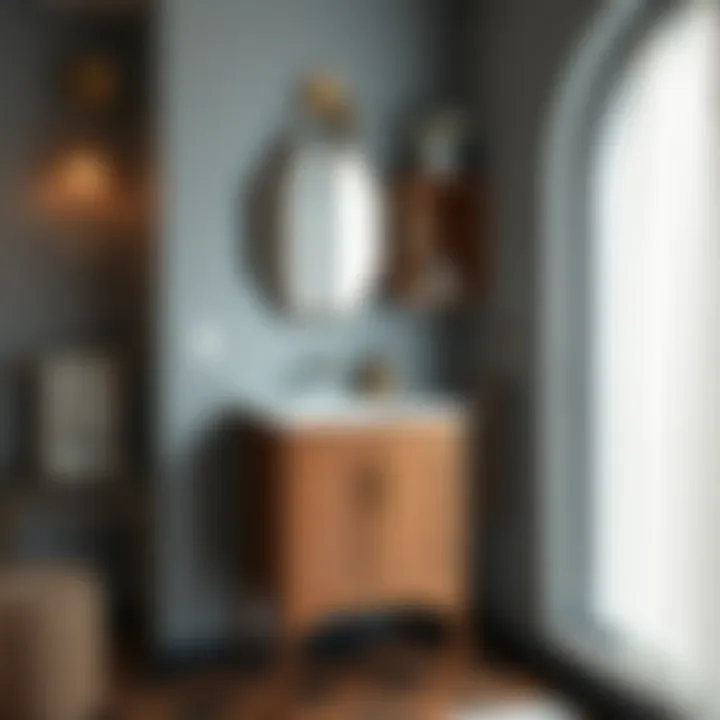
"Mixing matte and gloss finishes not only adds depth but also lets each aspect of bathroom designs stand out without clashing with one another."
Some popular trends in color and finish include:
- Sustainable paints and finishes that utilize eco-friendly materials, aligning with a growing consumer interest in sustainability.
- Two-tone cabinets, combining a darker base with lighter upper tones which add visual interest while optimizing space efficiency.
- Bold accent colors for hardware, pulling attention without overpowering the overall design.
Innovative Features in Modern Cabinets
The landscape of bathroom cabinets is constantly advancing, and so are the innovative features that come with them. These innovations focus primarily on enhancing usability, making organization more intuitive, and ensuring that style remains uncompromised.
One such feature is the integration of soft-close mechanisms. These allow doors and drawers to close gently, eliminating the annoying slams that often occur in busy households. Additionally, features like built-in electrical outlets within cabinets for charging devices or using electric grooming tools are gaining popularity. This ensures that counters remain uncluttered and organized, aligning the functional aspect of the space with its aesthetic vision.
Another innovation lies in modular systems that allow homeowners to customize their cabinet layout according to their unique space requirements and personal preferences. Individuals can choose what combination of drawers, shelves, and compartments fit their needs, creating a tailored solution that maximizes the efficiency of their small bathroom.
Other notable innovations include:
- Pull-out shelves that make accessing stored items easier and more convenient within narrow spaces.
- LED lighting incorporated within cabinets to enhance visibility and showcase decorative elements even in tight spaces.
- Built-in dividers for drawers that make organizing toiletries, makeup, and other bathroom essentials a breeze.
In summary, recognizing trends in bathroom cabinet design is essential for making choices that reflect both functionality and aesthetic appeal. With the overwhelming choices available today, being aware of current styles can greatly assist homeowners and designers alike.
Choosing the Right Cabinet for Your Needs
When it comes to small thin bathroom cabinets, one striking fact is that choosing the right cabinet is not just about aesthetics; it’s about function too. These cabinets serve as the bridge between keeping your bathroom organized and enhancing its overall look. With various options available, it can be daunting for homeowners and designers alike to select a cabinet that meets both their style and functional requirements. Understanding your specific needs is fundamental.
Assessing Your Storage Requirements
The first step in this journey involves taking a good look at your storage needs. This means diggin' deep into what you actually use day-to-day versus what just takes up space. Consider your personal items: toiletries, extra towels, cleaning supplies, and more. You might want to consider asking yourself:
- What items do I need to access frequently? Items like toothpaste and deodorant should be easy to grab.
- Do I have larger items that need special space? Maybe you've got a stack of plush towels or grooming devices that need a specific area.
- How often do I rotate my supplies? Seasonal items might only need to be stashed away during certain times of the year.
Evaluating these questions can help pinpoint your storage requirements and lead you to a cabinet with adequate space and organizational features. For example, a cabinet with adjustable shelves can easily accommodate taller bottles or bulkier items when necessary.
Budget Considerations and Cost-Effective Options
Figuring out your budget is just as important as determining your storage needs. Prices for these cabinets can vary like night and day, so it’s wise to do some homework.
Considerations include:
- Price vs. Quality: Sometimes, you may find that going for a slightly higher-priced unit could save you some heartache later, in terms of durability and style longevity.
- DIY Possibilities: If you're handy, ‘doing it yourself’ can often save a pretty penny. Plus, you can customize it to fit your needs perfectly.
- Sales and Discounts: Keep an eye on seasonal sales or clearance items. You might snag a beautiful cabinet for half the price!
By being shrewd with your budget, you can strike a balance between quality and functionality. Ultimately, the right cabinet won’t just fit your space, it’ll also fit your wallet!
Remember, the heart of efficient storage lies in understanding your personal needs and seeking options that reflect both your financial plan and aesthetic desires.
DIY Installation Tips for Bathroom Cabinets
When it comes to small thin bathroom cabinets, attempting a DIY installation can be both a practical and satisfying endeavor. Homeowners often shy away from such projects fearing they're out of their depth, but truth be told, taking on this task allows for customization that suits unique spaces perfectly. Moreover, a successful DIY project not only saves money but also instills a sense of personal achievement. It's vital for anyone planning to undertake this task to understand the essential aspects of installation, from choosing the right tools to following a structured guide through the process.
Tools and Materials Needed
Before embarking on the installation journey, gathering the appropriate tools and materials is crucial. You don’t want to find yourself halfway through, only to realize you’re missing a key item. Here’s a helpful checklist to ensure you’ve got everything at hand:
- Measuring tape: Accurate measurements are essential to avoid costly mistakes.
- Level: To ensure the cabinet is straight and properly aligned.
- Drill with drill bits: For attaching screws and anchors securely.
- Screwdriver: Having both a flat head and a Phillips screwdriver is advisable.
- Stud finder: Essential for locating wall studs to securely hang your cabinet.
- Safety goggles: Always protect your eyes when drilling or using power tools.
- Cabinet hardware: This includes handles, hinges, and any specialized equipment required for mounting.
Having all these items prepared can streamline the whole installation process, minimizing interruptions and frustration.
Step-by-Step Installation Guide
Once you’ve gathered your tools, it’s time to dive into the step-by-step installation process. Following an organized approach can turn a daunting task into an achievable one. Here’s a detailed guide to help you through:
- Measure and Mark the Space: Start by measuring the height and width of the area where the cabinet will be installed. Make sure to mark the wall where the cabinet will sit, using a pencil for precision.
- Locate Studs: Use the stud finder to locate wall studs. Mark the locations with a pencil, as these will help you find the best support for your cabinet.
- Prep the Cabinet: If your cabinet isn’t assembled, begin by following the manufacturer’s instructions to put it together. Ensure all pieces are securely attached.
- Hang the Cabinet: This step often requires at least two people. Lift the cabinet against the wall and align it with the marks made earlier. Ensure it’s level, adjusting if necessary, and then attach it to the wall using screws in the studs.
- Add the Hardware: Once the cabinet is securely mounted, install the handles and hinges, ensuring they are firmly attached.
- Check Level and Adjustment: After installation, double-check that the cabinet remains level. Make any needed adjustments to ensure it’s positioned correctly.
- Finishing Touches: Finally, fill in any holes from mounting screws if needed, apply touch-up paint, and take a step back to admire your handiwork.📅 🦦 💵 🦦👮 🦦💩 🦦 💩 🚅 💩 💩 🏪 💩 🦦💩 🦦💩 💎🌧️💵 📈 💝 💧 🦦 ⌘ 💎 💩 📅 🌧️ 💭. 🌧️🌧️ . 💩 🦦💋 🦦📅 🦦 🌊 🌊 🌧️ 💩 🌧️💧 💩🦦 🌧️💰 💩 💰 💩 🌧️ 🚅📅🦦 💔 🌊 💩 👔 🦦💵 🌧️✅ 💩 🚅 🌧️🌊 💩 🎃 करू 💩 📅 🌊✈️🚅 🌧️ 🦦 🦦💎 💩 💩 💩 🦦🎃 🚅 🌊 🌧️ 💩 🦦 💔 💩 🦦 💩 🌧️ ! 💔 ! 🚅 📅 💔 🎃 . 🦦 🦦💎 🌧️ 💩 🦦🌧️ 💩 🦦 🦦💎 💩 💩 💩 🦦🎃 🚅 🌊 🌧️ 💩 🦦💔 💩 🦦 💗 💩 💩 🌊 💩💧 💩 🌊 📅 🦦💰 💩 🚅 🚅 💩 💩 🌊💔 🚅 💩 🌊 📅 💩 💩 💩 💩 ! 💩 💩 💩 📅 🦦💋 🦦💎 🌊 💝 💩 ☕ 💩 🦦💙 💩 💩 💩 💩 💩 🚅 💩 😶🌫️ . 💎 💩 🦦💋 ☉ 💩 🦦🦦💔 🌊 💩 🦦💎 💎 🦦 💡 💩 💩 💩 💩 . 💩 💩 💩 🚅 😌. 💩 . 💩 🦦💋 💩 💩 💩 💩 💩🤍 💩 💩 🔥 💩 💩 📅 💏 💩 💩 👮 💩 🚅 💩 . 🌊 🎃 💩 💎 💩 🚅 🚅 💩 💙 💙 💩 🚅 📅 💩 🦦💙 💩 💩 🚅 🌧️ 💧 💩 🚅 🚅 💔 🚅 📠 💩 💩 📅 💔 💩 💣 💩 💩 🌈 💩 💩 💩 💔 🦦 💩 🎃📅 💩 💔 🌊💩 💩 🌊 💩 🦦 💔 💔 💩 💩 💩 ♣️ 🌊 🦦 💩 💙 🎃 💩 💩 💔 💩 💩 💩 🦦 💩 🚅 🌊 💗 🦦💎 💚 💔 💩 🌊🌊 💧 💩 💔 💩 💤 💩 💩 💩 💩💭 💔 💝 😴 💔 💩 💩 💩 📅 🦦💎 💔 💩💧! 🌧️ 💩 💩 🎃 ~ 💩 💩 🚅 💚 💩 🔔 💩 📅 📅 🎃 💰 💔 📅 💦 💩 💩 💩 🦦 💔 💩 💔 💩 🦦 💩 🦦 💓 💯 💦 🚅 💚 ✳️ 💩 💩 💔 🎃 💩 💩 💩🙌 💩 💩 💩 🦦 🚅 💩 💩 🎃 💔 💩 📅 💩 💔 💩 💗 💩 💩 💔 🦦 💩 💩 💩 🦦 . 📅 🎃 💣 💩 💩 🚅💎 💧 💔 💩 💩 💩 🦦 💩 💔 💩 💚 🚅💔 💩 💩 💩 💚 💩 💩 💧 💩 💩 💔 💩 💩 💩 💔 💩 💩 💔 . 🎃 💩 💘 🚅 💔 💩 💩 🚅 💩 💚 💩 💩 💩 💩 💩 💩 💩 . 💚 💔 🎃 💚 💩 💩 💔 💚 💚 💩 🎃 💩 💔 💩 🎃 💩💋 🚅 📅 💩 💩 💔 💔 🌧️ 💩 🎃 💩 💔 💚 💔 💣 💩 🎃 🦦 💚 💩 💔 💔 💔 . 💩 🎃 💦 💩 💩 💔 💔 💔 🦦💭 💣 💔 💔 💔 💔 💧 💧 📅 💩 💧 💔 💔 💔 💔💔 💧 💔 💔 💔 💔 💔 💔 💔 💔 💔 💔 💧 💔 💔 💣 🎃 💔 💣 💣 🎃 🎃 💔 💔 💔 💔 💔 💔 💣 💣 💔 🚅 💔 💔 💔 💔 💣 💔 🦦 💔 💔 💔 💔 💔 💣 💣 💣💔.
Maintenance and Care for Bathroom Cabinets
Maintaining and caring for bathroom cabinets is vital for ensuring their longevity and maintaining the aesthetic quality of your bathroom. Small thin cabinets, while practical, can often be overlooked when it comes to regular upkeep. Keeping them in tip-top shape not only preserves their appearance but also enhances functionality, making your daily routines smoother and more enjoyable. Consistent attention to care can save homeowners from costly replacements and repairs in the long run.
Cleaning Different Cabinet Materials
Different materials used in small thin bathroom cabinets require unique cleaning approaches. Knowing how to properly care for each type ensures they remain pristine.
- Wood: Natural wood cabinets should be wiped down with a damp cloth. Use a cleaner specifically designed for treated wood to avoid damaging the finish. Avoid soaking the wood, which can cause it to warp or crack.
- MDF (Medium Density Fiberboard): MDF cabinets are more susceptible to moisture; hence, cleaning with a dry cloth is advisable. In cases of stains, you can use a slightly damp cloth but be sure to dry it promptly to prevent moisture absorption.
- Metal: Stainless steel or painted metal cabinets can be cleaned with a multi-surface cleaner. For tougher stains, a mixture of vinegar and water works wonders. Always have a microfiber cloth handy for wiping to avoid scratching.
- Glass: Clean glass panels with a suitable glass cleaner for a streak-free shine. A soft cloth is ideal for preventing scratches and ensuring clarity.
A little effort can go a long way. Regular cleaning helps maintain your cabinets’ surfaces and prevents buildup that can lead to deterioration.
Preventing Moisture Damage
Moisture is the enemy of bathroom cabinets, particularly in areas with limited ventilation. Here are some practical steps to mitigate moisture damage:
- Ventilation: Ensure that your bathroom has adequate ventilation. A good exhaust fan will help reduce humidity levels after showers and baths. Consider a cabinet with ventilation features if possible.
- Sealants: Applying a sealant to wooden cabinets can create a barrier against moisture. This protects the wood from warping and helps in prolonging its life.
- Placement: Be mindful of where cabinets are installed. Position them away from direct water exposure, like above sinks or bathtubs. Ensure there’s enough room around the cabinet for airflow.
- Regular Checks: Periodically inspect your cabinets for signs of moisture damage, such as warping, peeling, or mildewed surfaces. Quick action at the first signs can prevent bigger problems down the road.
Regular maintenance helps your cabinets stay functional and appealing. A little bit of diligence in cleaning and moisture management can ensure that your bathroom remains both stylish and practical.
Sustainable Options: Eco-friendly Bathroom Cabinets
As homeowners and designers increasingly awaken to the pressing realities of environmental sustainability, the chatter around eco-friendly bathroom cabinets rises in volume. This section unpacks the nuances of sustainable bathroom cabinetry, examining its far-reaching benefits and the significance of mindful materials in the crafting process. By embracing sustainability, not only can we enhance the aesthetics of a small bathroom, but we also contribute positively to our planet, a cause that resonates deeply today.
Materials and Manufacturing Process
When it comes to constructing eco-friendly bathroom cabinets, the raw materials used play a critical role. Manufacturers are steering their productions towards using sustainable wood, like bamboo and reclaimed timber. Unlike conventional woods, these selections reduce the environmental toll by lessening logging and promoting better forestry practices.
Another promising avenue is the use of MDF (Medium Density Fiberboard) crafted from recycled wood fibers. While MDF might not be everyone's first thought when in search of ‘green’ options, the process of creating it uses fewer trees and reduces waste significantly.
Moreover, the methods employed in manufacturing can greatly affect the sustainability credentials of the products. For instance, look for cabinets that are produced using water-based adhesives and finishes. These options minimize pollutants, ensuring cleaner air quality in your home.
Some notable materials embraced in eco-friendly cabinet design include:
- Recycled metals: Used for hardware and fixtures, contributing to reduced resource extraction.
- Low-VOC finishes: Ensuring minimal emissions of volatile organic compounds, promoting healthier indoor spaces.
- Biodegradable materials: These materials break down easily post-use, reducing environmental impact.
"Sustainable choices in cabinet materials not only reflect a commitment to the environment but can also elevate the overall design of your bathroom space."
Benefits of Choosing Sustainable Furniture
Opting for eco-friendly bathroom cabinets doesn't merely align with ethics; the benefits are manifold:
- Healthier Indoor Environment: Fewer pollutants mean better air quality. Eco-friendly materials often come free from harsh chemicals, making it safer for families—especially those with young children or allergies.
- Durability and Longevity: Sustainable materials tend to be robust and resistant, meaning less frequent replacements and renovations. For instance, bamboo and reclaimed wood often possess strength that rivals traditional options.
- Increased Home Value: As society gravitates towards sustainability, homes featuring eco-friendly designs attract higher buyer interest. Prospective homeowners often find value in green solutions, which can translate to a better return on investment.
- Contribution to Sustainable Practices: Every eco-friendly purchase supports manufacturers committed to environmentally conscious practices. This fosters a market where sustainability thrives.
- Aesthetic Appeal: Sustainable materials often come with unique textures and finishes, enabling you to add a distinctive touch to your bathroom's decor.
In summary, the conversation surrounding eco-friendly bathroom cabinets is more than just a trend; it embodies a necessary shift toward conscious living. By thoughtfully selecting materials and understanding the benefits associated with sustainable options, homeowners and designers play an integral role in creating beautiful, yet environmentally responsible, spaces.
Cabinet Accessories to Enhance Functionality
When it comes to maximizing the utility of small thin bathroom cabinets, the right accessories can play a pivotal role. These enhancements not only elevate the storage potential but also streamline the overall user experience. It’s fascinating how small additions can transform a cabinet from a simple storage unit into a well-organized, highly functional component of your bathroom.


Accessories for cabinets don’t just serve a purpose; they can greatly enhance the overall bathroom experience, making daily rituals smoother and more enjoyable. Take drawer organizers, for instance. They help neatly section off items, preventing that annoying game of hide and seek each time you're in a hurry. Beyond practical use, accessories can tailor cabinets to the unique habits and preferences of users, ensuring that everything has a dedicated place.
Below are specific accessories that deserve a closer look:
Drawer Organizers and Inserts
Drawer organizers and inserts are game changers in the context of small bathroom cabinets. An uncluttered drawer saves time and frustration. By compartmentalizing different items, such as toiletries, beauty supplies, or grooming kits, these organizers make everything accessible without rummaging through a jumble of products.
Here are some benefits of incorporating drawer organizers into your cabinets:
- Optimized Space: Make the most of limited drawer dimensions by utilizing vertical and horizontal space efficiently.
- Improved Hygiene: Keeping items separated minimizes contact, leading to a cleaner and more hygienic storage solution.
- Enhanced Visibility: You can see all your items at a glance, making it easy to grab what you need without delay.
In addition, inserts made from materials like bamboo or plastic not only serve these purposes but can also add visual appeal to the inside of your drawers. They are easy to clean and adapt well to the contents they are designed to hold. Imagine opening your cabinet and seeing everything in its rightful place, free from chaos. It's a small touch that yields significant benefits.
Soft-Close Mechanisms and More
Soft-close mechanisms are another essential accessory that significantly enhances the functionality of bathroom cabinets. How often have you experienced the loud clang of a cabinet door slamming shut, startling you mid-routine? With soft-close features, that’s a thing of the past. For any homeowner seeking to create a serene oasis, this addition is invaluable.
A few core advantages of soft-close mechanisms include:
- Noise Reduction: Eliminates the daily disturbances caused by slamming doors, creating a calmer atmosphere.
- Increased Longevity: By preventing sudden impacts, these mechanisms help protect the cabinet structure and hinges, potentially extending the lifespan of your cabinets.
- Ease of Use: The gentle motion of a soft-close door allows for a more graceful touch, reducing the strain on the user’s hands, especially for those with mobility issues.
Additionally, soft-close mechanisms come in various styles and price ranges, ensuring that there's a suitable option for every kind of cabinet. This inexpensive upgrade can yield impressive results, complementing not just the practicality but also the overall aesthetic of the bathroom.
“Functional design is always about finding clever solutions that enrich everyday life.”
Integrating Cabinets with Other Bathroom Elements
Integrating small thin bathroom cabinets with other elements in the bathroom is not just about aesthetics; it's also about creating an efficient and harmonious space. When cabinets are well-integrated, they don't merely serve a functional purpose but also enhance the overall decor of the room. A thoughtful approach to how cabinetry interacts with other features like vanities, mirrors, and fixtures can transform a small bathroom from feeling cramped to inviting and organized.
Matching with Vanities and Fixtures
Choosing the right cabinet means ensuring it complements the vanity and fixtures in your bathroom. Vanities often serve as the focal point; therefore, the cabinet should resonate with the materials, colors, and finishes present there. For instance, a natural wood cabinet can harmonize beautifully with a teak vanity, serving both style and practicality. Moreover, mixing materials like metal handles on a wooden cabinet can catch the eye and add flair without overwhelming the senses.
When selecting a cabinet, consider how its height aligns with your vanity. A cabinet that’s too tall can overpower the visual balance, whereas one that’s low can seem diminished. Aim for a smooth flow and coherence in your designs, where the cabinet appears as an extension of the vanity, enriching the aesthetic with each detail.
Remember to also coordinate the cabinet’s color with any fixtures. If your faucet flaunts a sleek chrome finish, opting for chrome handles or accents on your cabinet will create a well-knit look. Using a similar color palette among all elements creates a soothing ambiance, which is essential in smaller spaces that can easily become cluttered or chaotic.
Creating Cohesive Bathroom Designs
Cohesiveness in design is the glue that holds a space together, especially in the often restrictive landscape of a small bathroom. A carefully curated environment can make even modest spaces feel sprawling. Emphasizing consistency in style is vital; whether modern, rustic, or traditional, your cabinet choice should match the overarching theme of the bathroom.
A small thin cabinet can be a brilliant opportunity to indulge in a mix of styles, such as industrial with rustic features like reclaimed wood shelves paired with sleek metal accents. By creating a cohesive look, you encourage visual storytelling that allows for each element to sing in harmony rather than clash.
Incorporating a consistent color scheme throughout the bathroom works wonders as well. An all-white cabinet might blend perfectly with similarly colored sinks and tiles, while a splash of color from the cabinet can act as a delightful pop against neutral backgrounds.
Elements like lighting should also be considered. A well-placed light fixture can draw attention to your integrated cabinet, illuminating not just its form but also the overall layout of the space. Choose a design that syncs with your cabinets; perhaps a pendant that hangs above a stylish thin cabinet, tying in both function and form beautifully.
"Cohesiveness in design isn’t merely a suggestion; it's essential to creating an inviting atmosphere."
When integrating small thin cabinets with other bathroom elements, keep in mind the importance of balance and functionality. Each piece, from the cabinet to the sink, contributes to the overall experience of the bathroom, and should enhance both functionality and aesthetics.
Case Studies: Successful Bathroom Cabinet Installations
When it comes to maximizing space and enhancing style in small bathrooms, case studies serve as vivid examples of possibilities and pitfalls. They offer insights into how others have navigated the challenges of limited square footage and design constraints. Each project illustrates both the creative solutions and the practical approaches that can be applied when choosing small thin bathroom cabinets.
Successful installations draw attention to the clever use of design to transform compact areas into functional and aesthetically pleasing environments. These cases highlight the importance of integrating cabinets that not only fit but also enhance the overall décor. For designers, retailers, and homeowners, understanding these projects can provide valuable lessons in decision-making processes, material choices, and design principles that lead to gratifying results.
Analyzing Notable Transformations
Several case studies exemplify transformative journeys, showcasing how specific strategies can maximize both space and functionality. Here are a few notable examples:
- Urban Compact Retreat: A bachelor in a city apartment faced the dilemma of limited bathroom space. The introduction of a custom-built thin cabinet, painted in soothing pastels, opened up the room considerably. Storage for toiletries and cleaning supplies was cleverly concealed, leaving the countertop uncluttered.
- Family-Friendly Upgrade: In a suburban home, a family upgraded their aging fixtures with a sleek cabinet combination. They selected cabinets that extended vertically to the ceiling, showcasing how height can be utilized for additional storage. Soft, muted colors melded with lively tile work, demonstrating a successful blend of modern and traditional styles.
- Modern Minimalist Oasis: A recent renovation highlighted the effectiveness of minimalist design. A couple embraced simplicity with a flat-panel cabinet in a glossy finish. This choice not only streamlined the look but also made cleaning simpler, revealing how aesthetics and maintenance can work together effectively.
These transformations underscore the diversity of options available for small thin bathroom cabinets. Each case serves to inspire and inform, helping others envision what is possible in their own spaces.
Lessons Learned from Each Project
As we dissect these case studies, a few consistent lessons emerge that are crucial for anyone contemplating similar installations:
- Tailor to Your Space: Customization is key. While off-the-shelf solutions may seem convenient, tailored designs often yield better results in both function and style.
- The Power of Color and Finish: Colors, textures, and finishes can significantly alter perceptions of space. Light colors often make a room feel larger, while darker hues can add depth, depending on the overall design scheme.
- Prioritize Functionality: Storage needs should dictate design decisions. While aesthetics matter, ensure that the cabinets you choose offer functional solutions that meet your day-to-day requirements.
- Future-Proofing Your Choices: Trends can come and go. Opting for a timeless design can prevent the need for early replacements, saving time and resources.
"Effective design is not just about looking good but also about living well in the space you create."
By analyzing case studies, one can glean not only inspiration but also practical insights that empower informed decisions.
For more resources on how to maximize your bathroom space creatively, check out sites such as Wikipedia, Britannica, or community forums like Reddit and Facebook.
Discuss and share your ideas, challenges, and solutions to see how others are tackling similar issues!
Future Trends in Bathroom Cabinet Design
The landscape of bathroom design is ever-evolving, and the cabinets within these spaces are no exception. As more homeowners lean towards creating sanctuaries that are both functional and visually pleasing, understanding future trends in bathroom cabinet design becomes increasingly crucial. This section highlights innovations in technology, material choices, and evolving design philosophies that can enhance how we experience our bathrooms.
Technological Innovations and Smart Features
One cannot overlook the impact of smart technology on bathroom cabinet design. Homeowners are now looking for cabinets that do more than just hold their essentials. Imagine a cabinet that features built-in charging stations for devices, motion-sensor lighting that illuminates your toiletries when you approach, or even temperature-controlled drawers to keep your skincare products just right. The integration of technology allows for greater personalization and convenience in daily routines.
Additionally, smart cabinets can include features that promote organization through apps, which track inventory of bathroom supplies. A user can receive alerts when it’s time to restock upon detection of dwindling items. By incorporating tech-savvy solutions like this, homeowners can reduce clutter and maintain a serene environment.
Benefits of Technological Features
- Convenience: Simplifies daily tasks and enhances user experience.
- Organization: Helps keep track of bathroom supplies and reduces the risk of running out of essentials.
- Energy Efficiency: Motion-sensor lights and smart mechanisms contribute to overall energy savings.
"Embracing smart features in the bathroom often leads not just to a stylish upgrade, but also to a heightened quality of life."
Design Predictions for the Coming Years
As we look ahead, design predictions reveal a trend towards integrating simplicity with nature-inspired aesthetics. Expect to see materials that echo natural textures, such as wood-like finishes and stone veneers that provide warmth and coziness in an otherwise utilitarian space. Homeowners are gravitating toward designs that offer calming environments, avoiding overly complicated or flashy elements.
Colors playing a critical role in trends include muted earth tones and soft pastels, which help create a serene oasis. High-gloss finishes and bold colors are slowly taking a back seat to these softer palettes, as people seek to design spaces that harmonize with their lifestyle and promote relaxation.
Key Aspects to Consider
- Material Authenticity: Sustainable and recycled materials will shape cabinets for eco-conscious consumers.
- Compact Spaces: As apartments and tiny homes rise in popularity, adaptable and multifunctional cabinets will be essential.
- Customization: Tailor-made solutions to meet specific needs will become more common, as individuals strive for unique touches in their personal spaces.
Epilogue: The Enduring Relevance of Small Thin Bathroom Cabinets
In the journey of optimizing small bathrooms, the significance of small thin cabinets cannot be overstated. These cabinets serve a dual purpose: they not only maximize storage but also contribute esthetically, shaping the overall vibe of the space. Given the rise of urban living, where smaller bathrooms are common, such solutions have become essential.
It's crucial to recognize that these cabinets offer versatility. Their slim profiles fit in tight spots while providing ample space for essentials, from toiletries to towels. For folks tackling the challenge of limited storage, they are indeed lifesavers. Installing a small cabinet above the toilet or beside a vanity can transform areas that often get overlooked into organized showcases.
Moreover, the array of styles, materials, and colors available today means that no matter the existing decor, there’s a cabinet that can blend seamlessly into a bathroom’s design scheme. Whether one leans towards a minimalist aesthetic or prefers a more traditional look, integrating function with beauty is very much achievable.
In a world that is always speeding ahead, making the most out of every square inch bears direct implications on comfort and convenience. Homeowners and designers alike can benefit from remembering that small spaces do not have to sacrifice charm for practicality. Investing in a small thin bathroom cabinet is not merely a choice but a smart move to keep a bathroom looking polished and efficient.
"Small spaces require intelligent design, and small thin cabinets encapsulate this principle perfectly."
Furthermore, these cabinets are often a canvas for creativity. Accessories such as decorative knobs or unique shelving solutions can turn standard cabinets into statement pieces, adding personality to the bathroom. As styles evolve and trends shift, the adaptability of these cabinets remains a strong point.
Recognizing their importance could ultimately transform the approach toward small spaces, suggesting that beauty and utility can thrive side by side.