Grey Curtains: Elevate Your Home Decor
Intro
In the realm of interior design, the subtleties of color can transform a space in remarkable ways. Among these color choices, grey stands out as a flexible option that can complement numerous aesthetics. When used in the context of curtains, grey provides a dynamic backdrop that allows other design elements to shine while still making a bold statement. This article sets out to explore how different shades of grey, their textures, and patterns can elevate home decor, provide practical guidance for homeowners, and even touch on current trends in design.
The beauty of grey lies in its adaptability, often serving as a canvas that enhances the vibrancy of other colors and textures in a room. From light to dark greys, each tone carries its own aura and can influence the overall atmosphere. As we delve deeper into this subject, we will guide homeowners, designers, and enthusiasts alike to find the ideal curtain selections that not only suit their taste but also align with their functional needs.
We will also offer practical tips on how to maintain and care for grey curtains, ensuring they remain a chic highlight in your home. Trends will be scrutinized to illustrate just how grey curtains have evolved in response to changing preferences and styles. With so much to explore, it’s time to see just how these unassuming fabrics can be a key player in transforming any living space.
The Significance of Curtains in Home Decor
When one thinks about home decor, curtains might not always be the first item that springs to mind. Yet, their importance cannot be overstated. Curtains play a pivotal role in defining the ambiance of a room, influencing both its aesthetic appeal and functional performance. They are not merely decorative pieces but also integral components that can transform a mundane space into a haven of comfort and style.
Understanding Aesthetic Versatility
Curtains with a grey hue have become increasingly popular in recent years, owing to their remarkable aesthetic versatility. Grey is a color that easily blends with various styles and palettes, making it a favorite among designers and homeowners alike. For instance, in a minimalist setting, light grey curtains can enhance the space, providing a sense of calm and simplicity. Conversely, in a more vibrant setting with bold colors, darker shades of grey can ground the design, offering balance and sophistication.
The beauty of grey lies in its neutrality. It can serve as a backdrop for vibrant accents or complement existing color schemes. This adaptability makes it a smart choice for those looking to refresh their decor without a complete overhaul. The different tones and shades of grey present endless opportunities for creativity, allowing individuals to tailor their living spaces to reflect their personal style.
Functional Roles of Curtains
Curtains serve multiple functional roles beyond aesthetics, which can be quite significant in home decor. First and foremost, they offer privacy. In a world where urban living has become the norm, having the capability to shield your living space from prying eyes is essential.
Moreover, curtains can help in regulating light. Depending on the material and design, they can be drawn back to allow sunshine to filter through, brightening the room, or closed to provide a cozy atmosphere. Special blackout curtains, for example, are particularly beneficial in bedrooms where a dark environment is desired.
Additionally, curtains can provide insulation. Thick drapes not only enhance thermal efficiency but also help in reducing noise pollution, making them functional pieces that improve quality of life.
In summary, curtains should be viewed not just as accessories but as essential elements in home decor that combine beauty and functionality. By selecting the right curtains, especially in shades of grey, one can seamlessly blend style with practical needs.
Exploring Grey as a Color Choice
When diving into the world of home decor, grey stands out as a color choice that can be both bold and subtle at the same time. This hue has emerged as a favorite among interior designers and homeowners alike, primarily due to its aesthetic flexibility. Grey can seamlessly complement various design styles, from classic to contemporary. Its ability to act as a neutral backdrop allows for accent colors to pop, making it a favorite for spaces meant to be both inviting and sophisticated.
The Psychology of Grey in Interiors
Grey is often regarded as a color that evokes a sense of calm and balance in interior settings. Unlike bolder hues that might overwhelm a room, grey works to foster a serene and composed atmosphere. Many psychology studies suggest that this color can help people feel more stable and grounded, making it particularly beneficial in spaces like bedrooms and living rooms where relaxation is key. Furthermore, it encourages focus without drawing too much attention away from other design elements. Whether you aim to make a room feel more spacious or simply want to create a harmonious vibe, grey can be an effective choice.
Shades and Tones of Grey
Light Grey Inspiration
Light grey often embodies an airy and refreshing quality. It can make spaces seem larger and illuminate areas that might otherwise feel cramped or dull. Using light grey curtains—like those made of sheer materials—allows natural light to filter through while adding a touch of elegance. This shade is especially beneficial for contemporary settings, where simplicity and minimalism are prized. However, one must consider that very light greys can sometimes appear washed out, especially in spaces with limited daylight, so careful selection is key.
Charcoal Elegance
On the opposite end of the spectrum, charcoal grey introduces a richness and depth that can anchor a room. This shade adds a sense of sophistication and can dramatically transform a space when used in things like curtains or upholstered furniture. It serves as a great contrast to lighter decor elements and can elevate a minimalist design into something striking. However, one caveat is that using too much charcoal can make a room feel heavy or intimidating if not balanced well with lighter accents.

Warm vs. Cool Greys
The distinction between warm and cool greys can greatly affect the mood of a room. Warm greys carry undertones of beige or taupe, resulting in a more inviting and cozy ambiance. They often pair well with natural materials such as wood and can make a house feel more like a home.
In contrast, cool greys, which lean towards blue, exude a modern and clean appearance that fits well in contemporary or industrial settings. These cool hues can provide a refreshing backdrop for vibrant decor items. However, mixing warm and cool greys can be tricky—while it can yield a dynamic palette when done right, it can also create visual dissonance if not carefully considered.
Fabric Choices for Grey Curtains
Selecting the right fabric for grey curtains plays a crucial role in defining the overall aesthetic and functionality of a space. Each type of material brings its unique flavor to the table, blending practicality with design. Homeowners, designers, and decorators must consider these fabric characteristics to achieve not only a beautiful appearance but also functionality in their home environment. The fabric can dictate how light filters into a room, how well a curtain holds its style over time, and even how easily it can be maintained. With the color grey becoming increasingly popular in home decor, understanding the nuances of fabric choices becomes essential for elevating a living space.
Common Materials and Their Benefits
Cotton Durability
Cotton is often celebrated for its durability, making it a favored choice among homeowners. Its strength means that curtains made from cotton can withstand wear and tear, contributing to a more lasting aesthetic. This key characteristic of durability allows homeowners to enjoy their grey curtains for years without feeling the need for constant replacement. Another unique feature of cotton is its natural breathability. This helps in managing room temperatures and maintaining comfort levels. However, it's worth noting that cotton may wrinkle easier than synthetic options.
Linen Texture
Linen offers an elegant texture that contributes depth to grey curtains. Its key characteristic is its lightweight nature, which not only makes it visually appealing but also allows for graceful draping. The softy ridged surface of linen catches light beautifully, adding an ethereal touch to your interiors. One unique feature is its natural resistance to fraying, mold, and mildew, translating into a practical long-term investment. On the downside, linen can crease quickly and may require more regular maintenance to keep looking crisp.
Polyester Versatility
Polyester is known for its versatility, lending itself to a wide range of curtain designs and styles. The major advantage of polyester lies in its ability to retain color and shape, which is particularly important for those optimistic about how their curtains will wear over time. This synthetic fabric is often stain-resistant, making it an appealing choice for areas where spills are a concern. Polyester can be made to mimic the look of natural fabrics, which allows designers to achieve a high-end appearance at more affordable prices. However, it can be less breathable compared to natural fabrics, impacting overall comfort in warmer climates.
The Role of Texture in Design
In the realm of home decor, texture plays an undeniably vital role in shaping the ambiance of a room. Grey curtains, with their variety of materials and textures, have the unique ability to either soften or sharpen the mood of a space. Smooth and sleek fabrics like polyester can lend an air of modernity and clean lines, while rougher, more organic textures such as linen foster a sense of warmth and coziness. Different textures can also help break the monotony that can sometimes arise in predominantly grey spaces, allowing for layers of depth without compromising the minimalist aesthetic.
"The essence of design lies in the details. It’s the interplay of texture, color, and form that breathes life into our interiors."
Patterns and Designs Featuring Grey
In the world of home decor, patterns and designs have the power to transform an ordinary space into something extraordinary. Grey curtains, with their inherent versatility, open the door to a myriad of patterns that can cater to different tastes and aesthetics. By understanding how patterns interact with grey shades, homeowners and designers can create atmospheres that feel cohesive and thoughtfully curated. The visual appeal of patterns along with the understated elegance of grey creates a canvas that can be both striking and serene.
One of the principal benefits of incorporating patterns into grey curtains is their ability to add dimension and character. Rather than opting for plain textiles, patterns can serve as focal points that elevate the entire room. For instance, a well-chosen striped grey curtain can elongate walls, giving the illusion of height. Furthermore, intricate designs can draw the eye, prompting exploration of the room while maintaining a sense of calm that grey embodies.
Stripes and Geometric Patterns
Stripes and geometric patterns are perhaps the most classic choices when it comes to designing grey curtains. These patterns can synchronize seamlessly with modern and contemporary interiors. The beauty of stripes lies in their simplicity—they can range from bold and wide to fine and delicate, allowing flexibility in design choices. When a room feels monotonous or static, stripes can inject energy without being overly loud.
- Enhancement of Space: Vertical stripes can create the illusion of taller ceilings, while horizontal stripes may make a room feel wider. By playing with line orientation, designers can influence spatial perceptions.
- Styling Options: Pairing striped grey curtains with complimentary solid colors can harmonize diverse elements in a room. For example, soft peach or muted teal cushions can create an inviting contrast against the grey backdrop.
Geometric patterns, on the other hand, can add visual interest and modern flair. Shapes like triangles or diamonds can function as a sophisticated design element, creating dynamic patterns that resonate with one’s style. The crux of utilizing geometric patterns lies in balancing them with simpler decor elements.
Floral and Nature-Inspired Designs
Floral and nature-inspired patterns breathe life into the concept of grey curtains, offering a refreshing touch. Choosing botanical prints against a grey backdrop can evoke a feeling of connection to nature without overwhelming the senses. The interplay between soft floral designs and the neutrality of grey can help strike a balance between whimsy and elegance.
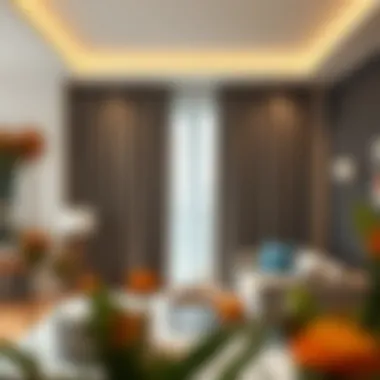
- Emotional Resonance: Nature patterns can instill a sense of tranquility and peace in any room, making them an excellent choice for bedrooms or tranquil spaces. The softness of flowers can diffuse harsher tones, creating an inviting environment.
- Versatility with Decor Styles: Floral designs can work beautifully with various decor styles. In a farmhouse setting, grey curtains with floral patterns can enhance the rustic feel, while in a contemporary space, they can add a touch of softness against crisp lines.
"Patterns not only reflect personal style but also serve functional purposes in defining spatial aesthetics."
Incorporating Grey Curtains into Your Space
Bringing grey curtains into your home isn't just about functionality; it's about elevating the artistic essence of your interiors. They play a vital role in bridging the connection between comfort and chicness. When selected mindfully, grey curtains have the power to complement or contrast existing decor seamlessly. It's an essential aspect of home styling that deserves an in-depth exploration.
Complementing Existing Decor
Grey curtains can either blend into a room's palette or serve as a striking focal point. For instance, if your room features pastel shades, opting for a light grey curtain can bring harmony without overwhelming the space. Alternatively, if your decor utilizes bold colors, a deep charcoal grey can add a sophisticated layer. Consider the surrounding elements like furniture, wall colors, and even the flooring.
- Wooden Tables: Grey curtains play well with natural materials. They can highlight the warmth of wood while giving a contemporary touch.
- Bright Walls: On lively walls, grey curtains provide a beautiful contrast, allowing bold hues to pop while maintaining a refined atmosphere.
- Metallic Accents: Pairing grey with metallic furnishings offers a modern twist, merging industrial vibes with elegance.
The choice of texture in your curtains also matters. A soft linen curtain can soften a minimalist room's hard lines, creating a cozy environment. Not to mention, layering styles can take a room from drab to fab. For instance, sheer grey curtains combined with heavier drapes can enhance privacy while allowing light to filter in gracefully.
Creating Cohesion with Color Schemes
Monochromatic Themes
Imagine walking into a space where every shade is in harmony. Monochromatic themes involve the use of various shades of one color—like grey—creating a soothing atmosphere. This approach effectively uses light and dark tones to add depth without chaos. It leads to a nuanced, subtle elegance, appealing to those who appreciate a more restrained aesthetic.
- Key Characteristic: The primary benefit here is simplicity paired with elegance. It’s a visual flow that invites tranquility, making it perfect for bedrooms and studies.
- Unique Feature: Layering different tones of grey—from soft dove to deep slate—can define areas within an open-concept space beautifully. This method allows the decor to breathe while still feeling connected.
However, too much of one color can be uninviting or feel flat. A careful selection of textures can counteract this drawback, ensuring that the space remains lively.
Contrasting Colors for Depth
On the flip side, contrasting colors can create energy and excitement in a room. This method involves pairing grey curtains with colors on the opposite end of the spectrum, like vibrant yellows or deep blues, to produce striking visual contrast.
- Key Characteristic: This dynamic setup injects life into interiors that might otherwise feel monotonous, helping to define spaces clearly.
- Unique Feature: When grey acts as a neutral backdrop, the overall theme can remain flexible. You can change decorative accents seasonally or even mood-wise without needing to invest in new curtains every time.
While this method can be very invigorating, the challenge lies in balancing bold choices to avoid visual chaos. Opting for grey in a softer tone can bring harmony when paired with bolder colors, creating a welcoming ambiance that feels curated rather than haphazard.
"Choosing the right curtains isn't just about style—it defines the very mood of your space. Grey’s versatility allows it to mesh elegantly with myriad styles and colors."
Practical Tips for Maintaining Grey Curtains
Maintaining grey curtains is not just about keeping them clean; it's about preserving the aesthetic statement they make in your home. Grey, as a color, is versatile and holds a significant place in modern decor. However, without proper care, even the most stylish drapes can become dull and lifeless. The importance of ongoing maintenance cannot be overstated. Regularly caring for your curtains can prolong their life, enhance their appearance, and ultimately help maintain the overall ambiance of your space.
Regular Cleaning Practices
Regular cleaning practices are essential for keeping grey curtains looking pristine. Dust, allergens, and environmental pollutants can accumulate over time, dulling the fabric's color and texture. Here are some effective cleaning strategies:
- Vacuuming: Using a vacuum with a soft brush attachment can help remove dust and dirt from the surface of the curtains without causing any damage to the fabric.
- Spot Cleaning: For stains, it’s advisable to act quickly. Use a mild detergent mixed with water. Apply it gently with a cloth to the stained area, then rinse with a clean cloth damped in plain water.
- Deep Cleaning: Depending on the fabric, grey curtains can usually be machine washed on a gentle cycle. Always check the care tag prior to washing to avoid shrinking or damaging.
- Professional Cleaning: If the curtains are particularly expensive or made from delicate fabrics, consider professional cleaning services for optimal results.

"Regular maintenance transforms not just curtains, but the entire living space, re-energizing its vibes and aesthetics."
Dealing with Fading and Wear
The beauty of grey curtains can fade over time, primarily due to exposure to sunlight. Here are some strategies to combat fading and wear:
- Light Filtering: Use sheer curtains underneath grey drapes to reduce direct sunlight exposure. This adds an additional layer of insulation and protects the fabric below.
- UV Protectants: If you prefer sheer curtains, consider treating them with UV protectants that minimize sun damage. They can be found at most home improvement stores.
- Rotation Strategy: Rotate your curtains every six months, particularly if they are long. This helps evenly distribute wear and prevents one side from experiencing more sun damage than the other.
- Backup Pair: Owning a backup pair in a similar shade can be beneficial. You can rotate them as needed, ensuring fresh-looking drapes while one pair is being cleaned or resting from sunlight.
Adopting these simple yet effective maintenance practices can go a long way in retaining the beauty and functionality of your grey curtains. Regular attention not only keeps them looking new but also enhances the overall feel of the décor in your home.
Current Trends in Curtain Design
As we navigate the dynamic landscape of home decor, staying abreast of current trends in curtain design is vital. Curtains do not merely serve the purpose of filtering light or providing privacy; they play a crucial role in expressing individual style and creating a specific mood in a space. Homeowners and designers alike are increasingly recognizing the significance of integrating modern elements into their curtain choices, particularly when it comes to the nuanced use of grey as a versatile color. Recent trends showcase minimalism and sustainability as key considerations, pushing the boundaries of traditional styles while welcoming new innovations.
Minimalist Approaches
Minimalism remains a powerful force in contemporary design: less is often more. The guiding principle of minimalism is simplicity, focusing on functionality while stripping away unnecessary adornments. Grey, with its diverse range of shades, embodies this approach beautifully.
A few characteristics that highlight the minimalist use of grey in curtain design include:
- Neutral Base: Grey curtains offer a soft yet impactful backdrop in various settings, allowing other decor elements to shine.
- Streamlined Forms: Simple, clean lines in curtain designs emphasize the essence of minimalism. For instance, wall-mounted curtain rods with sleek brackets elevate the aesthetic without overpowering it.
- Layering Technique: Grey curtains can be effectively layered with lighter sheers or darker tones to add depth without cluttering the visual field.
This philosophy resonates with homeowners aiming for serene spaces infused with tranquility. By diminishing visual noise, minimalist grey curtains create a calming atmosphere, radiant of sophistication. They effortlessly align with the principle of Zen design, appealing to those looking for simplicity amidst the chaos of modern life.
Sustainable Materials and Designs
Another critical trend shaping the curtain design landscape is the shift towards sustainability, with an increasing demand for ethically produced and environmentally friendly materials. More consumers are embracing this perspective, not only from a moral standpoint but also for the tangible benefits that arise from utilizing sustainable fabrics.
- Eco-Friendly Fabrics: Materials like organic cotton or linen minimize environmental impact while still providing durability and elegance. Additionally, recycled polyester from waste plastics offers a modern twist while safeguarding nature.
- Natural Dyes: Innovations in natural dyeing techniques allow for creating beautiful grey tones derived from plants or minerals, enhancing eco-consciousness.
- Long-Lasting Designs: Sustainable curtains are often designed with longevity in mind. By choosing high-quality materials that withstand wear and tear, homeowners are making a wise investment for their spaces.
"Embracing sustainable curtain materials does not just benefit the planet; it elevates the overall aesthetic of the home, marrying style with responsibility."
The Future of Home Decor with Grey
As the world of interior design evolves, so does the role of color, particularly grey. This neutral shade has transitioned from a once-ordinary choice to a celebrated factor in modern design. The versatile and adaptable nature of grey allows it to serve as a foundation for various styles and aesthetics. By intertwining form and function, grey curtains have emerged as a pivotal element, influencing mood, ambiance, and the overall feel of a space. Understanding the future trajectory of grey in home decor aids homeowners and designers in making informed choices, ensuring that their spaces remain not just stylish but also reflective of personal tastes and contemporary design trends.
Innovative Integrations in Smart Homes
The technological revolution has introduced smart homes, where everything from lighting to window coverings can be controlled at the touch of a button. In this context, grey curtains are not just aesthetically pleasing but can also be seamlessly integrated into smart ecosystems. For instance, automated shades made from grey fabric can adjust in response to changes in natural light, optimizing energy efficiency and enhancing comfort. These smart curtains can fit various decor styles, from minimalistic to eclectic, allowing homeowners to maintain their desired aesthetic without sacrificing innovation.
Consider the following benefits of integrating grey curtains into smart home systems:
- Energy Efficiency: Automated functions help in regulating room temperature.
- Customization: Users can set schedules for when curtains open or close.
- Versatile Design: Various shades of grey can adapt to any interior theme.
The Evolving Perception of Grey in Design
The perception of grey has transformed significantly over the years. Once deemed bland and uninspired, it is now recognized as a sophisticated and versatile color that brings depth and character to interior spaces. Grey is no longer just a backdrop; it is a statement in its own right. This evolution mirrors broader societal changes, where the traditional notions of color are challenged, allowing room for nuanced layers of expression through decor.
With the growing appreciation for sustainability and minimalism, grey's muted tones lend themselves perfectly to eco-friendly designs. Architects and designers are starting to appreciate how various shades of grey interact with natural textures and materials—further bridging the gap between indoor environments and the ecological themes of modern architecture.
"Grey is not just a hue; it's a canvas upon which dreams of design can be painted to reveal elegance and personality."
This evolving perception of grey also makes it a fitting choice for different design milestones, from urban lofts to cozy suburban homes. Homeowners are encouraged to communicate their individuality through grey curtain choices, whether opting for luxurious drapes or minimalistic panels. As society embraces the complexities of identity and taste, grey will undoubtedly remain a key player in the ongoing narrative of home decor.