Creative Living Room Designs for a Stylish Home

Intro
The living room, often considered the heart of a home, offers a canvas for expressing personal style while serving crucial practical purposes. As lifestyles shift and the lines between home, work, and leisure blur, homeowners and designers alike seek to reimagine this vital space. This article delves into innovative ideas that not only enhance aesthetic appeal but also maximize functionality in your living room.
In today’s world, it’s crucial to keep up with the latest trends without sacrificing comfort or individual personality. Whether it’s integrating smart technology into your space or choosing sustainable furniture options, these concepts are designed to resonate with a wide audience.
Let’s embark on this journey through modern design concepts, furniture arrangements, and decor styles that will breathe new life into your living room, making it an inviting haven for relaxation and connection.
Furniture Design Styles
Overview of Popular Styles
When it comes to furnishing your living room, understanding various design styles is pivotal. Each style evokes different feelings and fits different spaces. Here’s a glance at some of the dominant furniture design styles:
- Mid-Century Modern: Characterized by clean lines and organic shapes, this style emphasizes function fused with simplicity. A classic Eames chair or a teak coffee table can serve as statement pieces.
- Industrial: Emphasizing raw elements, industrial design often features metals, exposed brick, and rustic woods. It evokes a loft-like feel perfect for urban settings.
- Scandinavian: This minimalist and functional style prioritizes light colors, natural materials, and comfort. Think soft textiles and a light oak accent.
- Bohemian: Full of color and texture, boho design incorporates a mix of patterns and cultures, creating a vibrant, personalized space that feels lived-in.
How to Mix and Match Styles
Combining different styles can turn your living room into a unique masterpiece. To pair styles successfully, consider the following:
- Establish a Color Palette: Start with a cohesive color scheme. Use three main colors to tie elements together, allowing different textures and patterns to work harmoniously.
- Balance Proportions: Ensure a balance between larger, heavier pieces like a sofa and lighter accents such as side tables or wall art to create visual interest.
- Create Focal Points: Use bold pieces—like an avant-garde coffee table—to grab attention and set the tone, then build the room around it with complementary styles.
- Blend Textures: Mixing materials—such as a plush velvet sofa with a metal accent table—adds depth and richness to your space.
"The key to mixing styles lies in understanding how they complement each other while maintaining a sense of cohesion."
Practical Tips for Homeowners
Essential Buying Tips
When shopping for furniture, keep these practical tips in mind to make informed decisions:
- Consider Dimensions: Measure your space carefully. Ensure that furniture can move freely and fit well without overcrowding.
- Prioritize Quality:Invest in durable pieces. Solid wood or high-quality upholstery can stand the test of time better than cheaper materials.
- Functional Features: Look for pieces that offer storage solutions—like an ottoman that opens up for blanket storage—combining style with utility.
Maintenance and Care Guidelines
Proper care can prolong the life of your living room furnishings:
- Regular Cleaning: Dust surfaces regularly and vacuum upholstery to prevent build-up of allergens.
- Protect from Direct Sunlight: Use curtains or blinds to shield furniture and fabrics from harmful UV rays, which can cause fading.
- Routine Checks: Job for loose screws, wobbly legs, or spots needing repair. Addressing issues early can prevent bigger headaches down the line.
Incorporating innovative designs and practical solutions can truly transform your living room into a multifaceted space that reflects your personality and meets your needs. This guide aims to equip you with valuable insights and inspiration for your own living area. For further inspiration, consider exploring resources like Britannica or Reddit where design enthusiasts share their experiences and tips.
Understanding the Living Room's Role
The living room stands as one of the most important spaces in a home. It’s often the heart of a household, serving as a place for relaxation, entertainment, and even connection. Understanding its role isn’t just about recognizing where you watch television or entertain guests; it’s about comprehending how it reflects your lifestyle and invites others in.
The significance of designing an inviting living room goes beyond mere aesthetics. It can affect moods and foster conversations among family and friends. Moreover, an engaging space promotes well-being, encouraging social interactions and serving as a backdrop for creating cherished memories.
Historical Context of Living Room Design
The history of the living room is as rich as textiles woven into its fabric. In ancient times, social gathering spots were often outdoors, largely due to the nature of home design, which prioritized privacy and security. Homes were built with areas for work and rest separated from shared activities. As residential layouts evolved, particularly in the late 19th to early 20th centuries, the concept of a living room began to materialize. Influenced by changing lifestyles and advancements in architecture, these rooms transitioned from formal parlors to more casual spaces inviting everyday engagement.
With the rise of the Arts and Crafts movement, there was a push for functionality combined with artistry. People desired comfort alongside design integrity. This transformation paved the way for what we now call the living room, where individuality is expressed through decor choices and furniture arrangements. As a result, the living room has always been a mirror reflecting societal values, preferences, and innovations.
The Living Room's Function in Modern Homes
In modern homes, the living room unfolds various roles that might come as a surprise. It’s no longer just a place for sitting and socializing; it serves as a multifunctional area for working, playing, and sometimes even sleeping.
- Social Hub: It remains the prime spot for gatherings, whether it’s game night with friends or casual family dinners in front of the TV.
- Relaxation Zone: Many homeowners find solace on their couches with a good book or engaging show, turning this area into a personal sanctuary away from daily demands.
- Workspace: With the changing work landscape, more people incorporate home offices into their living areas, struggling to balance aesthetics with practicality.
- Showcase of Personality: This is a space where décor choices, from paint color to artwork, can reflect personal tastes, making the living room a canvas of identity.
"A living room is not merely a room; it is the stage where life’s moments are played out in full view."
By recognizing and adapting to these functions, we can craft living rooms that are not only stylish but also deeply functional and true to our lifestyles. These considerations are essential as we dive deeper into the uncharted waters of innovative living room ideas, helping to inform the design choices that resonate most with those who inhabit the space.
Current Trends in Living Room Design
In the realm of interior design, staying abreast of current trends is not merely a matter of aesthetics; it's about creating spaces that resonate with our modern lifestyles. The living room serves as the heart of the home, and its design can significantly influence not just the ambiance but also the functionality of daily activities. As we delve into the notable trends shaping living rooms today, it becomes clear that innovation lies at the intersection of style, comfort, and technology.
Minimalism and Its Impact
The minimalist approach has taken hold like a gentle tide, redefining our expectations for living spaces. This trend, characterized by its clean lines, subdued palettes, and simplicity, encourages a decluttered environment that promotes peace and serenity. Embracing minimalism allows homeowners to prioritize quality over quantity, focusing on pieces that serve both a purpose and a statement.
When considering minimalist design, it's essential to think about the balance of space and light. Natural materials, such as wood and stone, play a pivotal role in maintaining warmth, while ample natural light can enhance the feeling of spaciousness. It's a common misconception that minimalism equals coldness; rather, when executed thoughtfully, it can evoke a tranquil yet inviting atmosphere.
Biophilic Design Elements
Bringing the outdoors in has never been more in vogue. Biophilic design integrates nature into our living environments, nurturing a connection that so often gets lost in urban settings. Incorporating elements like plants, natural light, and organic materials fosters a soothing environment; it’s as if you’re inviting a slice of nature directly into your home.
A simple way to add biophilic elements is through indoor plants. Houseplants such as peace lilies or snake plants not only purify the air but also introduce vibrant splashes of green that can liven up any space. Large windows that invite sunlight also enhance this connection, creating a seamless flow between indoor and outdoor realms.
Smart Home Integration
In our fast-paced world, technology plays an indispensable role in enhancing convenience and efficiency in design. Smart home integration is revolutionizing the way we interact with our living spaces. Imagine adjusting the lighting, temperature, and even entertainment options with the mere touch of a button or a voice command. This convenience allows homeowners to tailor their living environments to their exact preferences without lifting more than a finger.
Smart furniture, like sofas equipped with charging ports or coffee tables that enable wireless charging, exemplifies this trend perfectly. These pieces provide utility without compromising on style. Similarly, voice-activated systems can transform mundane tasks, allowing for a streamlined way to manage your home.
"The modern living room must evolve beyond traditional boundaries, showcasing how technology and design can harmoniously coexist."
Furniture Selection and Arrangement
Selecting and arranging furniture is a cornerstone of living room design, playing a significant role in defining the space's functionality and aesthetic. This process involves more than simply placing pieces in a room; it requires a thoughtful approach that considers comfort, style, and flow. A well-considered furniture layout not only enhances the visual appeal but also optimizes the interaction and movement within the space. By curating a thoughtful selection, homeowners can create a harmonious atmosphere that reflects their personality while being practical for everyday use.
Choosing the Right Sofa
The sofa is often the centerpiece of the living room, so making the right choice here is paramount. Factors like size, style, and function should guide your selection process. For example, if your living room is on the smaller side, consider a streamlined sofa that doesn’t overwhelm the space. A sectional can be a great option for larger areas, offering ample seating for gatherings.
Furthermore, think about the material; leather sofas present a sleek and durable choice, while fabric options can provide a cozy touch. Remember, it’s not just about appearance. Comfort is key. Sit down, lounge back, and feel the sofa before you commit. After all, you want a spot that you can sink into after a long day.
Optimizing Space with Furniture Layout
A successful furniture layout can make or break your living room. Aim for a design that encourages conversation and flow. If the room is rectangular, consider angling your sofas or utilizing a pair of armchairs across from each other. This arrangement not only promotes interaction but also opens up the space, creating a more inviting atmosphere.
Take advantage of focal points, such as a fireplace or a large window, to anchor the layout. The goal is to arrange the furniture in a way that facilitates movement without causing bottlenecks. Also, think vertically; using tall bookshelves can help utilize room height while providing storage and display space. Keep in mind that walking paths should be clear, allowing guests easy access without feeling cramped.
Innovative Storage Solutions
In today’s home environment, where space is often at a premium, innovative storage solutions are a game changer. From multifunctional furniture to hidden compartments, the options are endless. For instance, consider ottomans that double as storage spaces or a coffee table with drawers. These pieces not only serve a purpose but can also add aesthetic appeal to the room.
Wall-mounted shelves can provide both functionality and a stylish display area for decorative items. Another clever idea is to utilize under-sofa space with rolling bins or baskets—perfect for keeping everyday items out of sight but within reach. By integrating practical storage options, the living room can remain organized and visually appealing.
Effective furniture selection and arrangement is key to crafting the perfect living room. It’s about marrying aesthetics with usability.
Understanding how to choose the right furniture, set up layouts for optimal space usage, and create storage solutions will undoubtedly lead to a more functional and beautiful living room.
Color Schemes and Textures
Color schemes and textures are akin to the threads of a tapestry, weaving together the various elements that define a living room’s character. Choosing the right colors can evoke emotions, influence moods, and shape experiences. Textures, on the other hand, add depth and visual interest, turning a flat space into something vibrant and inviting. By understanding these concepts, homeowners and designers alike can create spaces that are not just seen, but felt.
Understanding Color Psychology
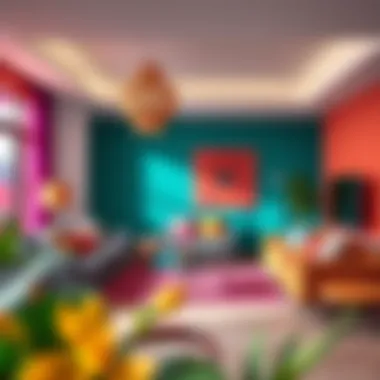
Colors have a profound impact on how we perceive a space. Warm colors like reds and yellows tend to energize an environment, enhancing social interactions, while cool colors such as blues and greens offer tranquility, promoting relaxation. It’s important to consider how these colors make you feel and the ambiance you wish to foster in your living room. Here are a few key points to keep in mind:
- Harmonious Combinations: Selecting a palette that harmonizes well can create an inviting atmosphere. Colors that are directly opposing on the color wheel, like blue and orange, can actually complement each other beautifully when balanced correctly.
- Accent Walls: A single wall painted in a bold color can serve as a focal point, drawing the eye and adding vitality without overwhelming the space. It allows one to explore adventurous shades without committing to a complete overhaul.
- Lighting Considerations: It's crucial to really consider how natural and artificial light interacts with your color choices. A shade may look different in daylight compared to evening light, which can drastically alter its perception within the space.
Incorporating textures into this mix can amplify the effectiveness of your chosen color scheme.
Textures That Enhance Depth
Texture breathes life into a room. When done right, it presents an opportunity to engage multiple senses. Soft textiles may invite guests to sit and stay, while rough surfaces can spark curiosity and conversation. Here are a few considerations to make the most of textures:
- Layering: Think of using various materials. For instance, pair a sleek leather sofa with a chunky knit throw. This contrast not only adds visual interest but also creates a tactile experience that feels welcoming.
- Natural Elements: Items such as wooden furniture, stone decorations, or plants introduce organic textures that harmonize beautifully with both color and other man-made materials. Incorporating a variety of textures can foster a richly detailed environment.
- Fabrics: Consider the textures of your fabrics; linen adds a laid-back feel, whereas silk can offer a touch of elegance. Using textures wisely can not only uplift the room but also revive it by inviting different tactile experiences.
"Textures can be the secret language of your home, speaking volumes about warmth and comfort without ever saying a word."
Thus, color schemes and textures play a pivotal role in breathing life into your living room. They dictate the overall feel while serving practical purposes that enhance social interactions and personal experiences.
For additional reading on color theory and its implications in design, visit Britannica: Color Theory.
Lighting Considerations
Lighting is an often overlooked, yet crucial element in designing a living room that is not only visually appealing but also functional. It sets the mood, highlights architectural features, and can dramatically alter the perception of space. The right lighting can turn a dim, lifeless room into a vibrant area that invites conversation and relaxation. Without it, even the most thoughtfully curated décor can fall flat.
Choosing how to light your living room involves a blend of art and science. It's important to consider the natural light available in the space and how you can enhance it, as well as the various types of artificial lighting that can support your design goals. Let’s dive deeper into these aspects.
Natural vs. Artificial Lighting

Natural light is like the cherry on top of your room’s design. During the day, sunlight can flood the space, bringing warmth and vitality. This not only benefits your mood but also influences the colors of your walls and furniture, making them look different through various phases of the day.
However, there may be times when the sun doesn't cooperate. For these instances, understanding artificial lighting is essential. A mix of ambient, task, and accent lighting can create a balanced environment. For example, ambient lighting can fill the room with a soft glow, while task lighting focuses on specific areas like reading nooks. Therefore, combining both types allows you to benefit from the brightness of the day while compensating for the night's darkness.
Some good options to consider:
- Skylights or large windows provide abundant daylight, reducing dependency on artificial options.
- Floor lamps and table lamps can enhance the aesthetic while providing necessary light.
- Dimmer switches help in adjusting the intensity based on the time of day or activity, maintaining the right ambiance.
- Wall sconces can offer a touch of warmth and create a layered lighting effect.
"Effective lighting design not only illuminates but accentuates."
Layering Light for Ambiance
Layering light is akin to an artist mixing paints. It allows you to control the atmosphere in your living room, creating a dynamic experience. By using multiple light sources, you can adjust the mood from bright and vibrant to cozy and intimate with just a flick of a switch.
To successfully layer light, consider the following types:
- Ambient Lighting: This is your general lighting, the foundation of your setup. Fixtures like ceiling-mounted lights or chandeliers fall into this category.
- Task Lighting: Focused on specific activities, such as reading or working. Table lamps or under-cabinet lighting serve this purpose.
- Accent Lighting: Used to highlight features like artwork or plants, adding interest to the space. Spotlights or track lighting can serve this need.
An effective way to implement layering is to have multiple light sources at varying heights. For instance, a stunning chandelier can hang from the ceiling, supplemented by floor or table lamps to create depth. By mixing warm and cool tones, you can also define areas within your space.
In crafting a warm, inviting environment, remember that dimmers play a crucial role as well. They allow you to adjust the brightness based on the time of day or the activity at hand, giving you full control over your space’s ambiance.
Art and Accessories
Art and accessories play a pivotal role in the design and ambiance of a living room. They not only personalize a space but also serve as a reflection of the homeowner's taste and personality. This section delves into the importance of incorporating art and accessories into your living room design, exploring how they can enhance both aesthetics and functionality.
The right pieces can transform a dull space into something vibrant and inviting. Art sets the mood; whether you opt for bold and abstract paintings or serene landscapes, each piece tells a story. Furthermore, accessories—ranging from decorative cushions to unique vases—add layers of texture and color, making the room feel complete. Selecting items thoughtfully will harmonize with your overall design theme and highlight your individual flair.
However, it’s essential to approach the selection of art and accessories with care. Too many elements can quickly lead to clutter, undermining the carefully woven ambiance. Thus, the trick is to ensure that each item serves a purpose, whether it's visual interest, function, or emotional connection.
"A well-chosen piece of art is not just decoration; it is the essence of who you are at home."
Choosing Art That Resonates
When selecting art for your living room, it’s more than just what looks good on the wall. It should resonate with you and echo feelings or facets of your life that you hold dear. This connection makes the space feel genuinely like home.
Considerations when choosing art:
- Personal Connection: Think about favorite places you've visited or feelings that evoke warmth and comfort. A piece inspired by travel or family can spark conversations.
- Color Harmony: Ensure the art complements the color scheme of your living room. If your walls are painted in muted tones, a vibrant piece can serve as a focal point.
- Size Matters: Scale is crucial; oversized pieces can make a dramatic statement, while smaller works can create a gallery wall. The key is balance and proportion.
- Mixing Media: Don't be afraid to mix styles and mediums, like pairing photography with abstract paintings or sculptures. This diversity can create depth and intrigue.
Invest time in selecting artworks that speak to you. After all, they are not merely decorative; they are part of the narrative your living room tells.
Accessorizing Without Clutter
Accessorizing is an art itself; it’s essential to strike a balance between decorative elements and maintaining a clean and organized look. Thoughtful accessorizing can make your living room inviting without overwhelming it. Here are some tips to achieve that minimalist-meets-expressive aesthetic:
- Focal Points: Designate key areas for accessories. Group items that share common themes or colors, like a velvet chair paired with throw pillows in similar shades.
- Opt for Function: Every accessory should have a purpose, whether it's a stylish coffee table book or a functional lamp. This approach ensures each item contributes to the overall scheme.
- Negative Space: Allow room for negative space; it helps to frame your accessories, giving them the spotlight. Less can often mean more in a well-thought-out design.
- Rotate Seasonal Pieces: Consider incorporating seasonal decor to keep things fresh. A few chosen items can be swapped out every couple of months to adapt the feel of the room without the need for a complete overhaul.
By being intentional with your choices, you can foster a living room that feels curated yet comfortably lived-in, striking that delicate balance of accessorizing beautifully while avoiding clutter.
Sustainable Living Room Design
Sustainability has become not just a trend, but a necessity in modern living spaces. Designing a living room with sustainability in mind reflects a commitment to both personal well-being and the health of the planet. By integrating eco-friendly elements, homeowners can create a space that is not only stylish but also responsible. As more individuals become conscious of their environmental footprint, sustainable living room design stands as a way to make a positive impact without sacrificing comfort or aesthetics.
Eco-Friendly Furniture Choices
When it comes to selecting furniture, opting for eco-friendly pieces is crucial. Here are a few considerations:
- Materials: Look for furniture made from bamboo, reclaimed wood, or certified sustainable materials. These options not only reduce the demand for new resources but also often come with unique characteristics that add character to your room.
- Manufacturing Practices: Companies that use non-toxic finishes and sustainable manufacturing processes should be on your radar. For instance, brands like West Elm and CB2 offer collections made from recycled materials and sustainably sourced wood.
- Life Cycle Consciousness: Consider the longevity of the furniture. Investing in pieces that are durable and timeless can reduce waste in the long run. Sofas with removable, washable covers or chairs that can be easily repaired are ideal choices.
Incorporating these eco-friendly choices enhances not just the aesthetic appeal but also the story behind your living room.
Incorporating Sustainable Practices
Beyond just furniture, sustainable living room design requires a holistic approach. Here are some practices to consider:
- Energy-Efficient Lighting: Replace traditional bulbs with LED options. Not only do they consume less energy, but they also last significantly longer. You might be surprised how a few strategically placed table lamps or floor lamps can cut down on energy consumption while enhancing the room’s ambiance.
- Indoor Plants: Bringing greenery indoors is another sustainable practice that cleans the air and enhances the overall aesthetic. Plants like snake plants or pothos are known for their air-purifying properties and can thrive in various light conditions.
"Incorporating plants into your living room not only adds aesthetic value but also promotes healthier indoor air quality."
- Recycling Decor: Instead of discarding old items, consider repurposing them. For example, an old ladder can become an eye-catching bookshelf, or glass jars can transform into chic decorative vases. This not only saves resources but also infuses your space with a touch of your personal history.


By embracing these sustainable practices, your living room can become a sanctuary that embodies both elegance and eco-consciousness, demonstrating that style and responsibility can go hand in hand.
DIY Projects for Personalization
Creating a personal touch in your living room can be a game changer for the overall ambiance of your home. DIY projects for personalization not only involve a dash of creativity but also allow you to express individual style and preference. By engaging in hands-on activities, homeowners, decorators, and even professional designers can transform existing spaces into unique showcases of personality and flair. The importance of personalization cannot be overstated, as it fosters a sense of ownership and connection to the space. When you undertake these projects, you find yourself developing a deeper appreciation of the little details that make your living room not just a place to sit, but a reflection of who you are.
Upcycling Old Furniture
Upcycling is more than just a buzzword; it's a sustainable approach to furniture that breathes new life into pieces that may otherwise end up in a landfill. For instance, think about that old wooden chair you've kept for years because it has sentimental value. With some paint, fabric, and creativity, you can transform it from a dusty relic into a bespoke statement piece. By sanding the surface and applying a fresh coat of paint or stain, you can completely change its appearance. Consider adding a cushion with a fabric that matches your living room color scheme, instantly modernizing the piece while keeping its character.
- Benefits of Upcycling:
- Reduces waste and promotes sustainability
- Offers a unique, one-of-a-kind item for your decor
- Can be cost-effective compared to purchasing new items
The process can be both fun and therapeutic; there’s something satisfying about working with your hands and seeing a tangible change. Resources like Pinterest can provide myriad ideas and tutorials if you're unsure where to start.
Creating Custom Decor Pieces
Creating custom decor pieces offers an additional avenue through which you can personalize your living space. This allows for maximum creativity, letting you tailor every detail to perfectly align with your vision. From handmade wall art to unique shelving units, the possibilities are endless.
For example, you might explore creating a gallery wall using photos framed in a way that may not ordinarily suit traditional decor but instead reflects your unique aesthetic. Consider using an array of frames in different finishes or colors, which can add a lively contrast to your walls.
- Crafting Ideas to Consider:
- Fabric wall hangings: Use fabric scraps to create a textile piece that complements your color palette.
- Handmade pottery: Personalize vases and planters with your own touch.
- DIY wooden signs: Inspiring quotes or personalized messages can make great focal points in your living room.
When you create decor pieces that are truly your own, the living room transforms into a reflection of your taste and stories, giving visitors a glimpse into your world. In doing so, each element transcends mere functionality and begins to evoke feelings of nostalgia and connection.
"Your home should be a story of who you are, and be a collection of what you love."
Ultimately, the DIY projects you choose not only serve the purpose of beautifying your space but also create a narrative within every corner of your living room. So roll up your sleeves, gather your tools, and let that creativity flow – your living room deserves it.
Case Studies: Successful Living Room Transformations
In the realm of interior design, real-life examples often serve as the most persuasive proof of concept. This section delves into case studies that exemplify successful living room transformations. It underscores the notion that tailored design can not only amplify aesthetic appeal but also enhance functionality in myriad ways. By dissecting these transformations, readers will glean valuable insights and tips applicable to their own spaces, whether they are interior designers, homeowners striving for a fresh look, or DIY enthusiasts seeking innovative ideas.
Small Space Solutions
The challenge of designing living rooms in small spaces can easily become overwhelming. However, clever tactics, such as creative furniture choices and layout configurations, allow for great flexibility. Take for instance a studio apartment in Paris. The owner, limited by square footage, opted for a wall bed that folded away to reveal a stylish sitting area during the day. Coupled with a round dining table that could be collapsed, this design not only maximized floor space but also maintained a sophisticated ambiance.
Some key elements and techniques to consider when transforming a smaller living room include:
- Multi-functional Furniture: Consider a sofa bed or a coffee table with storage. This can reduce clutter and make a space feel larger.
- Vertical Design: Utilizing vertical space by adding shelves, tall plants, or artwork can draw the eye upwards, enhancing the illusion of height.
- Light and Bright Palettes: Light colors on walls and furniture help to reflect light, making the space feel airy and open. Adding mirrors can further amplify this effect.
Incorporating these thoughtful strategies shows that even a diminutive living room can be a stunning expression of style and comfort, ultimately demonstrating that good things can indeed come in small packages.
Open Concept Living Rooms
Open concept living rooms breathe life into a home by fostering an environment of openness and connectivity. Take for example a renovated loft in Brooklyn, where walls were knocked down to create fluidity between the kitchen, dining, and living areas. This decision not only improved the flow of the space but also encouraged social interactions—ideal for hosting gatherings or family events.
However, designing an open space requires mindful planning. Here are significant factors to consider:
- Defined Zones: Utilize rugs and furniture arrangement to delineate areas without physical barriers. For instance, a large area rug under a coffee table sets a distinct living area.
- Consistent Color and Material Schemes: Ensure that varying areas of the open space maintain a cohesive theme. This unification helps the space to feel intentional rather than a collection of disjointed sections.
- Strategic Lighting: Layering light sources is critical in keeping these expansive areas well-lit and inviting. Consider combining overhead fixtures with floor and table lamps.
Open concept living rooms can significantly enhance the livability of homes, promoting engagement and freedom of movement. These transformations not only beautify the space but also cater to modern lifestyles, where versatility in design aligns with both functionality and comfort.
End and Future Trends
As we wrap up our exploration of innovative living room designs, it becomes crystal clear that the concept of living spaces is in constant flux. The trends we observe today are not merely fads; instead, they reflect our evolving lifestyles, technology integration, and a growing awareness of sustainability. Understanding this evolution is crucial for anyone looking to create a living room that stands the test of time while resonating with modern sensibilities.
One of the key elements influencing the future of living spaces is the shift toward multifunctionality. As homes grow smaller in urban settings, how we utilize our space has changed dramatically. A living room is no longer just a place to entertain; it also serves as an office, a gym, and even a sanctuary for relaxation. This versatility demands innovative furniture solutions—think sofas that convert into beds, or coffee tables that double as storage units.
Moreover, the integration of technology is redefining how we interact with our living environments. Smart home systems allow homeowners to control lighting, temperature, and even entertainment systems effortlessly, responding to our needs in real time. This seamless integration not only enhances comfort but also sets a stage for an ambient atmosphere, adaptable to various activities from movie nights to gatherings with friends.
Sustainability remains a critical concern, too, influencing buying choices and designs. Homeowners today are more likely to seek out eco-friendly materials and furniture that don’t contribute to environmental degradation. Wood roots sourced from sustainable forests, reclaimed materials, and energy-efficient appliances are becoming the gold standard in design, ensuring that style doesn't come at the expense of the planet.
"The living room, as the heart of the home, reflects our values and priorities. Its design should consider the future, ensuring safety, comfort, and sustainability."
Keeping these shifts in mind, we must acknowledge that the living room will keep evolving. Future trends may include greater personalization. Homeowners are more inclined to showcase their personalities through unique decor, artwork, and bespoke furniture. With platforms like Etsy enabling consumers to buy handmade items, or Puzzle pieces of DIY trends allowing for customizations, there’s a surging demand for individuality in how spaces are presented.
In summary, the future of living rooms points towards an exciting blend of function, technology, and personal expression. As designers, retailers, homeowners, decorators, and DIYers, understanding these trends will help you not only to adapt creatively but to anticipate the needs and desires of those who inhabit these spaces. With thoughtfulness and innovation, the living room can continue to be a haven that caters to the evolving dynamics of modern life.
The Evolving Nature of Living Spaces
The evolution of living spaces is a dance with time, where trends rise and fall, but underlying principles often stay the same. Homes must cater to the fundamental human experiences of comfort, connection, and expression. As we evolve, so do our expectations. This ongoing transformation hints at a future where living spaces are not just functional but also deeply interconnected with our lives.
Everyone has their own unique needs and desires, thus allowing for varied interpretations of what their living room should be. Following the points discussed in this article, taking steps to innovate now will position you ahead of the curve in the dynamic arena of interior design.