Enhancing Spaces with a Set of Three Canvas Art
Intro
A set of three canvas wall art pieces can be an absolute game changer when it comes to enhancing the aesthetics of a living space. The visual impact of these artworks can resonate deeply with both homeowners and interior design enthusiasts. When chosen thoughtfully, a triptych can work wonders, acting as a statement piece or a subtle touch that ties the entire room together. Imagine walking into a room where the walls seem to breathe, guided by the narrative spun through these canvases. It’s not just about filling up space; it’s about creating a dialogue that complements the ambiance of your environment.
In this article, we shall explore the varied styles and themes that can shape a set of three canvas wall art pieces. We’ll delve into how these art selections can create striking focal points, maintain balance, and express your personal style. Furthermore, we’ll touch on practical aspects like arranging and caring for your canvas collection. So, whether you’re a designer, retailer, or a DIY enthusiast looking to elevate your space, there’s something valuable here for you.
Furniture Design Styles
Overview of Popular Styles
When it comes to selecting art, understanding the furniture design style of your space is crucial. Here are some popular styles that often pair well with canvas art:
- Modern: Characterized by clean lines and minimalistic designs, modern spaces benefit from bold and abstract canvases that inject personality without overwhelming the environment.
- Bohemian: A free-spirited style that embraces color and patterns, bohemian spaces are perfect for eclectic canvas artworks, often showcasing vibrant colors and varied themes.
- Industrial: With its raw finishes, industrial decor finds a charming contrast in softer canvas art. Think of muted colors or themes that evoke nature to soften the harder edges of this style.
- Mid-Century Modern: This style appreciates organic shapes and simplicity. Canvas art featuring geometric shapes or retro color palettes can tie together the aesthetic beautifully.
How to Mix and Match Styles
Mixing styles can seem daunting, but it can also breathe life into your space. Here are some tips to pull it off:
- Color Coordination: Choose a color palette that unifies the artworks and existing furniture. You don’t need to be a professional; even the simplest color match can create a sense of harmony.
- Theme Consistency: While mixing styles, keeping a consistent theme can ensure the art and furniture don’t look like they’ve just been thrown together. For example, if your furniture leans toward rustic, opt for nature-themed artworks.
- Size Balance: When selecting pieces, consider their size. Large canvases can anchor a room, while smaller pieces can serve as companions or fillers.
"Art is not what you see, but what you make others see."
— Edgar Degas
Practical Tips for Homeowners
Essential Buying Tips
When purchasing a set of three canvas artworks, consider the following pointers:
- Space Measurement: Before choosing, measure the wall space where you plan to hang your canvases. Understanding dimensions can prevent overcrowding or leaving too much empty space.
- Personal Connection: Choose art that resonates with you personally. Whether it evokes old memories or simply brings you joy, a personal connection adds depth to the decor.
- Quality Matters: Invest in pieces made with high-quality materials. A well-constructed canvas can withstand time better than a cheap knockoff.
Maintenance and Care Guidelines
Keeping your canvas art in prime condition doesn’t need to be a chore. Here are methods to maintain your investment:
- Dust Regularly: Use a soft, dry cloth to gently wipe off dust. Avoid damp cloths or cleaning chemicals that can affect the integrity of the canvas.
- Avoid Direct Sunlight: If possible, place your canvases away from direct sunlight to prevent fading over time. UV protection is advisable in areas with strong light.
- Check for Damage: Regularly inspect for any signs of wear or damage. Early intervention can prolong the life of your art, saving you cost in the long run.
Prologue to Canvas Wall Art
The charm of a canvas set lies in its versatility. Unlike singular pieces, a trio can create conversation and interest, establishing a narrative or theme within a room. The interplay of colors, textures, and forms in a set of three often captivates the eye and prompts deeper emotions. Placing these pieces thoughtfully can uplift an entire aesthetic, bring cohesion to your design choices, and reflect your unique taste.
As we journey through this topic, we will examine various elements that influence the effectiveness of canvas wall art. You'll learn about the evolution of wall art, understand why canvas might be the ideal choice for your projects, and discover the significance of selecting a specific number of pieces like three. This exploration isn't just about aesthetics; it's about creating an immersive experience through art in your living or working spaces.
One of the pivotal aspects of implementing these art sets is their ability to evoke emotions. A well-chosen set can resonate with the inhabitants and their visitors. It's a subtle method of stating who you are without uttering a single word. Thus, let's dive deeper into the tale of wall art - how it has evolved, the medium of canvas, and all that it encapsulates.
The Evolution of Wall Art
Wall art has come a long way from the cave paintings of our ancestors to the striking contemporary designs we see today. Throughout different eras, artwork has mirrored cultural and social changes, evolving along with artistic movements. From the Renaissance, with its meticulous attention to detail, to modern abstract art, each period has added layers of complexity and depth to the walls around us.
Art collectors and enthusiasts have embraced these changing styles, opting for pieces that speak to personal identity, cultural heritage, or simply aesthetic pleasure. Today, advanced printing technologies allow artists to reproduce their works on canvas with remarkable fidelity. The accessibility of canvas prints has democratized art, enabling individuals to bring high-quality artistry into their homes at a fraction of the traditional cost. This evolution captures the essence of contemporary life – art is no longer an elite luxury, but a means of expression accessible to everyone.
Why Choose Canvas for Your Artwork?
Canvas artwork presents numerous advantages that make it a preferred choice for decor enthusiasts. First and foremost, canvas is exceptionally durable compared to other mediums. It withstands elements better and can hang in various environments, from humid bathrooms to sunlit living areas, without compromising its integrity.
Furthermore, canvas has that special quality of texture. The subtle weave can add depth and tactile interest to any composition, inviting observers to engage more intimately. Because it can stretch over wooden frames, canvas pieces lend themselves to a clean and gallery-like appearance. This can enhance a room's aesthetics significantly, providing a polished look without the high price tag of original paintings.
Lastly, the ease of installation offers both practical and aesthetic advantages. Many canvas art pieces come ready to hang, sparing you the hassle of framing. This feature is invaluable for those who may not have the time or expertise to navigate the nuances of traditional art displays.
By opting for canvas art, you’re not just acquiring decoration; you’re investing in a lasting element that complements your home’s spirit.
In this section, we've built a foundation by discussing the importance of canvas wall art as a transformative element in home decor. As we progress, we will explore the concept of sets of three—how they can create visual harmony and narrative power in your space.
Understanding the Set of Three Concept
Art, in its various forms, has always sought to evoke emotions and tell stories. When it comes to canvas wall art, a set of three pieces holds a special place in the world of aesthetics. This arrangement not only adds interest but also creates a rhythm and flow that captivates the viewer’s gaze. A trio of artworks can create a visual narrative that guides the eye across the wall. This section delves into why the concept of three is significant when selecting canvas art.
Historical Context of Triptychs


Triptychs have a long history, rooted in various artistic movements across cultures. Originally, these were used mostly in religious contexts. For instance, in Gothic and Renaissance periods, artists created ornate triptychs that often depicted biblical scenes, unfolding before the viewer like a visual storybook. Each panel served as a segment of the narrative, inviting contemplation and reverence. While the religious aspect has waned in many modern interpretations, the essence of using three panels remains.
The symmetrical appeal of a triptych engages the observer, providing a balance that a single canvas can sometimes lack. Think about it—when you see a triptych, you're drawn to engage with each part as a cohesive unit rather than isolated pieces. This method has evolved, with contemporary artists embracing the triptych format to explore themes ranging from nature to urban landscapes, imbuing the collection with personal interpretations that resonate with viewers today.
Symbolism and Meaning of Three in Art
Number three has held symbolic meaning throughout humanity's history. In art, the trio often embodies completeness and balance, reflecting a triadic structure that brings harmony. For instance, in storytelling, a beginning, middle, and end form a cohesive narrative; similarly, in a set of three artworks, each piece can represent a different aspect of a theme or idea while working together toward a unified experience.
"Three is the magic number" might seem like a catchphrase, but there's merit to it! Art collectors and decorators often gravitate toward trios because they create an understated significance that captures attention more effectively than scattered pieces.
- Balance: Three pieces can weigh out the visual elements evenly, creating equilibrium in a room's decor.
- Narrative Flow: Artists can emphasize a journey or transition through the elements represented in each panel.
- Emotional Resonance: The composition allows viewers to experience different emotions with each piece, enhancing engagement and connection with the overall art set.
Selecting the Right Themes for Your Canvas Set
Choosing the right themes for a set of three canvas wall art pieces is like picking the perfect ingredients for a gumbo; each element must complement the others while standing out on its own. The themes you select will not only influence the overall aesthetic appeal of your space but also resonate with your personal taste and evoke specific emotions.
When considering themes, think beyond mere decoration. Art has the potential to narrate stories, reflect cultures, and express individuality. For instance, nature-inspired designs can bring a slice of the outdoors into your home, imbuing a sense of tranquility. Abstract and modern styles, on the other hand, speak to those who favor boldness and experimentation. Cultural and historical references can transport you and your guests to different times and places, adding depth and context.
Here are a few key points to ponder when selecting themes:
- Personal Connection: Choose themes that resonate with your own experiences. Your artwork should spark joy or nostalgia.
- Room Functionality: Consider how the chosen themes align with the purpose of the space. Calming designs might suit a bedroom, while vibrant abstract works could energize a living room.
- Cohesion with Existing Decor: Ensure that the colors and styles of your chosen themes harmonize with the furnishings and overall decor of your space.
By thoughtfully considering these aspects, you not only elevate the visual dynamics of your home but also create an environment that reflects who you are.
Nature-Inspired Designs
Nature has a way of rejuvenating the spirit, and incorporating nature-inspired designs into your wall art can bring that freshness indoors. Imagine vibrant landscapes, gentle florals, or serene waterscapes gracing your walls. These pieces can serve as a calming balm in bustling households or energize creative spaces with their vivid colors and forms.
When selecting nature-inspired artwork, it’s beneficial to think about:
- Color Schemes: Earthy tones tend to bring a grounded feel while vivid, bright colors can enliven a room.
- Texture and Depth: Consider pieces that work with various materials or layering techniques for an added three-dimensional aspect.
- Local Flora and Fauna: Art depicting native plants or animals can create a stronger connection to your geographical area.
Integrating nature themes allows homeowners to escape the city's chaos without leaving the comfort of their own walls, transforming any space into a miniature sanctuary.
Abstract and Modern Styles
For those inclined toward contemporary aesthetics, abstract and modern styles offer a world of intrigue and emotion. This type of canvas art can challenge perceptions, provoke thoughts, and often elicit varied interpretations. An abstract piece could be a splash of colors or geometric shapes, deliberately drawing the eye and sparking conversation.
In curating an abstract set, consider:
- Style Consistency: Maintain a cohesive look across your triptych; too many styles can create visual discord.
- Focal Points: Think about which piece will hold the viewer’s attention first and build the other pieces around that.
- Creative Titles and Descriptions: Adding a personal title or narrative to each piece can enhance its significance and invite viewers to engage more deeply.
While abstract art might seem like a leap for some, its ability to resonate on a personal level is endless, making it a fascinating choice for modern spaces.
Cultural and Historical References
There’s an undeniable richness to themes that pay homage to cultural and historical narratives. A set of three canvas pieces that explore a specific time period or cultural symbolism can tell a powerful story and enrich your environment.
When diving into such themes, keep these points in mind:
- Cultural Significance: Research the stories behind the artwork to understand what themes like tradition, resilience, or heritage they convey.
- Art Technique: Consider different artistic traditions; for example, incorporating the bold patterns of African textiles or the delicate lines of Japanese brushwork.
- Sourcing Authentic Art: Look for artists or prints that reflect genuine cultural expressions, ensuring your collection supports authentic representation.
Cultural and historical references can serve as a bridge, inviting viewers into conversations about the past while firmly rooting them in the present.
Overall, prioritizing the thematic aspects of your canvas art set facilitates deeper connections with both the art and your living space, proving that aesthetics go much beyond decor.
Visual Harmony and Composition Strategies
Creating a visually appealing space involves more than just hanging a few pictures on the wall. It requires a deep understanding of visual harmony and composition strategies, especially when working with a set of three canvas wall art pieces. This approach can transform a blank wall into a striking display that draws the eye and evokes emotion.
Visual harmony refers to the aesthetically pleasing arrangement of elements in a way that feels cohesive and balanced. In the context of wall art, it means that each piece complements the others in color, style, and theme. Why does this matter? Simply put, a well-thought-out arrangement can enhance the overall vibe of a room, making it more inviting and cohesive. When a triptych is thoughtfully placed, it can create a focal point that energizes the room, making it a showcase of your personal style.
There are a few key considerations to keep in mind:
- Balance: Ensuring that visual weight is distributed evenly. This doesn't mean that all pieces must be identical but rather that they work together harmoniously.
- Flow: The way your eyes travel across the pieces should be smooth and natural, guiding the viewer's gaze from one canvas to another seamlessly.
- Unity: While the pieces should each hold their own character, they need to be tied together by color schemes or themes, making them feel like part of a greater whole.
By focusing on these elements, a designer or a homeowner can significantly enhance the aesthetics of living spaces.
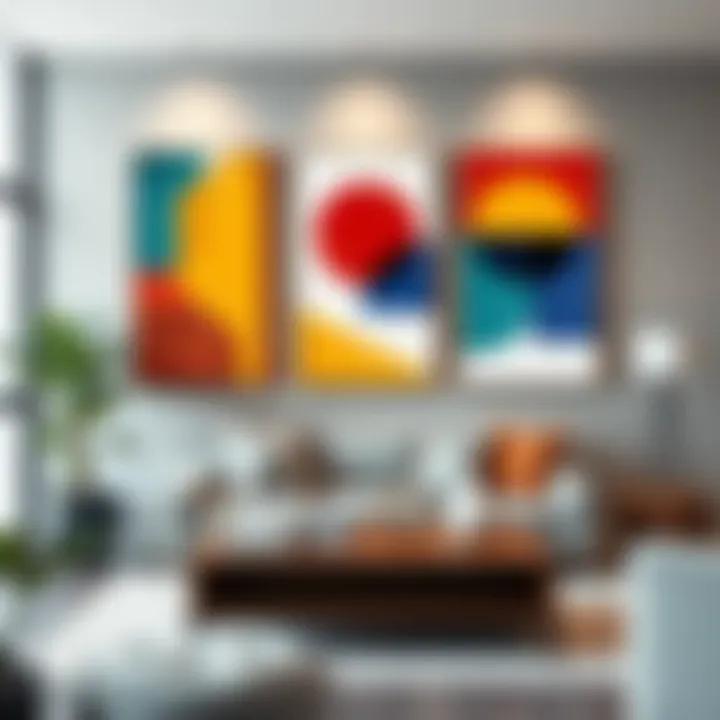
Achieving Balance with Color Palettes
Color plays a pivotal role in achieving visual harmony. When you're dealing with canvas art, the color palette you select can either make or break the effect you want to create. A well-coordinated color scheme can unify different styles and shapes within your three-piece arrangement.
- Analogous Colors: Using colors that are next to each other on the color wheel, like blue, green, and teal, can create a soothing effect. This is particularly effective if your goal is to create a calm, tranquil atmosphere.
- Complementary Colors: When you wish to grab attention, complementary colors, such as blue and orange or red and green, can be used. These opposing colors, when used thoughtfully in a triptych, can create striking visuals.
- Monochromatic Schemes: Opting for different shades and tints of a single color can offer depth and sophistication. This is often seen in modern or minimalist decor, where subtlety speaks volumes.
Utilizing color palettes in this way not only achieves balance but also encourages a sense of coherence as one moves through the room.
Creating Focal Points
A focal point is essentially the star of your show. In a set of three canvas art pieces, each piece should garner attention while collectively guiding the viewer’s gaze in a specific direction. One effective way to achieve this is through size and placement.
- Proportions Matter: The largest piece could be placed in the center, drawing initial attention, while the smaller canvas pieces flanking it create a sense of balance.
- Narrative Flow: The connection between the three pieces can also enhance their individual focal points. Perhaps the central piece illustrates a scene, while the outer pieces echo its elements, creating a narrative thread.
- Use of Texture and Finish: Different textures or finishes can also draw the eye in various ways, with glossy surfaces reflecting light and matte finishes creating a subtler effect. By playing with these aspects, you can design a balanced focal point that captivates your audience.
- Center Canvas: Consider an oversized artwork that encapsulates the main theme or message you wish to convey.
- Side Canvases: Smaller pieces that either add detail or contrast can help to reinforce or enhance the central theme.
"Art is not what you see, but what you make others see." - Edgar Degas
Arranging the Triptych on Your Wall
When it comes to canvas wall art, arrangement matters immensely. The way you place your artwork can dramatically shape the overall aesthetic of a room. A well-arranged triptych not only draws the eye but also creates a sense of unity and flow in your design. It’s vital to consider the space, dimensions, and your personal taste before settling on a layout.
A set of three canvas pieces, ideally designed to complement each other, can serve as a strong focal point in any setting. But why does it require careful thought to arrange them? This practice can influence not only the visual appeal but also the room's atmosphere. Art speaks, and its placement can convey messages that resonate with those who enter your space. Here, we will delve into two significant approaches to arranging your triptych: grid and freeform.
Grid vs. Freeform Arrangements
In the world of decorating, there are two main schools of thought regarding arrangement styles. The grid arrangement represents order and symmetry. By aligning your canvases in a straight line—whether horizontally or vertically—you create a neat and organized look. This is a great way to maintain a clean aesthetic, especially in minimalist or modern spaces. The uniform distance between each piece allows the art to breathe, letting each canvas stand out while still feeling part of a cohesive whole.
Conversely, a freeform arrangement provides an opportunity for creative expression. Picture this: three canvases hung at different heights and positions, maybe one even tilted just a tad. This style tends to be more relaxed and can make a space feel more eclectic and bohemian. Freeform arrangements allow for personal narratives to emerge through layering and cluster manipulations. You can mix sizes and orientations, and even include other decorative elements like mirrors or shelves for added depth.
When choosing between these styles, think about the room's purpose. Is it a serene space meant for relaxation, or a vibrant area bustling with energy? A grid layout may promote calmness, while a freeform arrangement can invigorate.
Height and Spacing Considerations
Equally important to the arrangement style is the height at which you display your canvas art. The average eye level is typically about 57 to 60 inches from the floor. Hanging your central piece within this range creates an inviting focal point. The other two pieces in the triptych should relate to this height. A good rule of thumb is to space them approximately 2 to 4 inches apart. Too much distance can make the pieces feel disconnected; too little can create visual clutter.
In terms of height variations, consider the furniture in the room. For instance, if you have a large sofa, the artwork can be slightly higher to allow for a visual connection that draws the eye over the seating area. Aiming for about 6 to 12 inches above the furniture usually works well.
To create a truly harmonious arrangement:
- Use painter's tape to lay out the position on the wall before drilling any holes.
- Experiment with the spacing by eyeing different distances until you find what looks best.
- If working with a larger space, try grouping pieces in clusters rather than in a straight line.
Materials and Quality Considerations
When it comes to selecting a set of three canvas wall art pieces, diving into materials and quality comes as a fundamental step. Not all canvases are created equal, and understanding the subtleties can greatly influence the longevity and appearance of your artwork. You want pieces that resonate not just on a visual level, but also hold up well over time.
Canvas Quality and Durability
The quality of the canvas directly affects how your artwork will stand the test of time. Using a high-quality material means that it holds colors vividly while resisting fading. Many artists prefer cotton or linen canvases due to their sturdy construction which allows paint to adhere more effectively. These natural fibers provide a texture that adds depth and dimension to the artwork.
Moreover, the durability of the canvas also correlates with how it performs against environmental factors. For instance, a canvas that is treated for moisture resistance can be a game changer in areas with high humidity. This isn’t merely about keeping your art beautiful—it’s about safeguarding an investment that embodies your aesthetic sensibilities. A poor-quality canvas may lead to wrinkles or sagging, undermining the very design you’ve chosen to enhance your interior space.
Frame Options and Their Impact
Don't overlook the significance of framing when it comes to your triptych. The frame serves not only as a method of protection but also as a critical element of the aesthetic appeal. Different frame materials—like wood, metal, or synthetic options—can alter the vibe of your art piece altogether.
- Wood Frames: These offerings typically convey warmth. A rustic wooden frame can beautifully complement nature-inspired themes, while a sleek finish can add a modern touch to abstract styles.
- Metal Frames: If you're going for a contemporary look, metal frames can enhance the sleekness of your artwork. They offer a minimalist vibe that can make colors pop.
- Synthetic Frames: These can be budget-friendly options that also provide durability. Many modern designs mimic traditional materials with a stylish twist.
Ultimately, the choice of frame should harmonize with both the artwork and the overall decor theme of your living space. Remember, a well-chosen frame can elevate the art, creating a polished look that draws the eye effortlessly.
"Art can stimulate emotion, provoke thoughts, and ignite conversations. It's important to choose materials that reflect this spirit."
In engaging with these materials and quality aspects, you are not just selecting art; you’re creating a background that sets the tone of your home. A well-fabricated canvas and an appropriate frame are, therefore, not trifles but foundational elements that shape the complete aesthetic experience in your environment.
The Emotional Impact of Art in Home Decor
Art does not just fill a void on your wall; it forms a bridge between your environment and your psyche. A set of three canvas wall art pieces can create a profound emotional landscape that enhances how a space feels. Such sets aren’t just decorations; they are mood shapers. When you consider the aesthetic appeal of three-dimensional visuals through art, you start to see more than just colors and patterns. You observe the narratives they tell and the feelings they invoke.
An effective arrangement of three canvases can offer balance and harmony, drawing the eye naturally and inviting reflection. Art serves as a thermostat, adjusting the emotional temperature of a room, depending on how it's displayed. In this article, we will explore how these pieces contribute to building mood and space identity.
Influence on Mood and Atmosphere
The mood of a room can change in an instant with the right mix of colors, designs, and subjects in your wall art. A lively collection of vibrant landscapes can invigorate a space, making it feel fresh and energetic. On the other hand, understated monochromatic choices may lend an air of serenity and calm. This atmoosphere isn’t incidental; it’s intentional.
When you think about how a set of three works together, there’s a rhythmic quality to it that can remake the energy of your home. The repetition of form and color creates a dialogue amongst the pieces. Here’s why that matters:
- Visual Consistency: Three pieces provide a cohesive look that helps the eye flow seamlessly from one piece to the next.
- Emotional Resonance: Certain themes in your three-piece arrangement can evoke feelings of joy, nostalgia, or tranquility.
- Functional Aesthetics: Mood-enhancing art can change an ordinary room into a personal haven, affecting your day-to-day experience.
"Art has the power to change the way we feel and perceive our surroundings. Choosing the right pieces can make a noticeable difference in your environment."
Personal Expression Through Art
Art provides a glimpse into the soul of a home. A set of three canvas wall art pieces can serve as a canvas for self-expression, reflecting your individuality and taste. The choice of subjects, colors, and styles becomes more than just a visual statement; it becomes part of your identity.
For many, combining different art styles can give a fuller picture of personality. Just like fashion is a way to express oneself through clothing, a curated collection of three artworks can showcase your journey, philosophy, and interests. Here’s how:
- Storytelling: Each piece can tell a chapter of a story—be it a personal experience, favorite travels, or emotional reflections.
- Cohesive Expression: When displayed together, three pieces can form a narrative that flows, offering insights into your character and preferences.
- Inspiration: Art can inspire those who see it, perhaps offering comfort or motivation through visual stimuli.
In sum, the emotional impact of art in home decor is consequential. When you choose a set of three canvas artworks, you’re not just adding decor; you're crafting an experience that speaks to your heart and shapes the identity of your space.
Maintaining Your Canvas Art Collection
Keeping your canvas art collection in tip-top shape is not just a matter of aesthetics; it speaks to the care with which you approach interior design and personal expression. A well-maintained canvas will not only preserve its beauty, but it can also enhance the atmosphere of your living spaces for years to come. With the right cleaning, care, and storage strategies, your set of three canvas wall art pieces can remain a striking focal point in your home, while also representing your unique taste.
Cleaning and Care Tips
Just like any other element in your home, your canvas art deserves some tender loving care. Here are essential tips to keep those vibrant colors shining and details crisp:
- Dust Regularly: Dust can accumulate on the surface of your canvas, dulling its appearance. Use a soft, dry microfiber cloth to gently wipe the surface every few weeks. It’s like a mini spa day for your art!
- Avoid Chemical Cleaners: Harsh chemicals can damage the canvas and paint, leading to unwanted discoloration or fading. Stick to a damp cloth for light cleaning. If you have tough stains, consult a professional before taking matters into your own hands.
- Protect from Direct Sunlight: While you want to show off your art, too much direct sunlight can lead to fading. Position your canvas pieces away from intense light sources or consider using UV-filtering glass or acrylic if they need framing.
- Temperature and Humidity Controls: Keep your art in a controlled environment where temperature and humidity levels are stable. Excess heat or moisture can warp the canvas or encourage mold growth.
Storage and Preservation Methods
When you’re not displaying your canvas art, proper storage is crucial to its longevity. Here’s how to store your canvases effectively:
- Avoid Compressive Storage: When positioning your artworks, never stack them with pressure on top of one another. Use a standing or leaning arrangement where they can breathe.
- Use Protective Wraps: If you need to pack your canvas away, wrap it in acid-free paper and place it in a sturdy, flat-box for protection. This can prevent scratches or tears that might occur during storage.
- Create a Climate Control Space: If possible, choose a storage space away from extremes of temperature and humidity. Basements can be too damp, while attics can get too hot. A cool, dry, dark area is ideal.
"Art is never finished, only abandoned." – Leonardo da Vinci
By implementing these simple yet effective cleaning and storage techniques, you can ensure your set of three canvas wall art pieces maintains its stunning appeal. Remember, proper maintenance is not only a commitment to the art itself but also a reflection of your personality and style within your living environment.
For more insights on art care, consider checking resources like Wikipedia or Britannica.
Concluding Thoughts on Canvas Wall Art Sets
In wrapping up our exploration of canvas wall art, particularly focusing on triptych sets, it’s crucial to underscore their significance in interior design. A thoughtfully arranged set of three canvas pieces can transform an ordinary room into an extraordinary space. This aesthetic enhancement isn't merely about beautification; it also reflects personal identity, preferences, and even cultural influences.
One of the key merits of utilizing a triptych arrangement is its ability to create a visual narrative. When each piece corresponds with the others yet stands alone with its own character, it tells a cohesive story that can evoke emotions or reminisce memories. This narrative aspect is significant because art has the power to serve as a conversation starter, a daily source of inspiration, or even a comfort in times of stress.
Furthermore, presents a unique challenge for designers and decorators: how to ensure that their selections genuinely resonate with the space they inhabit. Factors to keep in mind include color harmony, theme alignment, and spatial arrangements. Achieving a balance that highlights both individuality and cohesion is essential.
Reflecting Your Unique Style
When selecting a set of three canvas pieces, individuality shines through the motifs and styles one chooses. Whether one favors minimalist abstracts, vibrant landscapes, or intricate cultural representations, each choice reveals a facet of the individual's personality and taste.
For example, a homeowner who adores nature might opt for a series depicting forest scenes or ocean waves. Each canvas could focus on one aspect of nature—the lush greenery of a forest, the tranquil expanse of a lake, and the dramatic sweep of mountains. This arrangement not only beautifies the wall but also immerses the viewer in a personal landscape that evokes serenity.
On the other hand, a set featuring modern, abstract designs with bold shapes and colors might speak to an urban dweller’s appreciation for contemporary art. This duality in expressions illustrates how triptych sets can serve as dynamic reflections of personal style.
Inspiration for Future Decor Changes
Triptychs do more than just fill empty wall space; they open up opportunities for future decorating endeavors. The allure of canvas wall art lies not only in its immediate visual impact but also in its potential to evolve over time. The beauty of a triptych is that as styles change, one can easily swap individual pieces while maintaining a cohesive theme.
Consider the seasonal shifts; a light, breezy set in summer could be exchanged for more subdued tones during autumn. This adaptability maintains freshness within a home’s environment while also fostering creativity. By re-exploring the arrangement, homeowners can create new focal points, invite discussions, and redefine their living spaces without the necessary overhaul of existing decor.
Investing in a triptych set is akin to inviting a series of new experiences and perspectives into your home. They offer chances to reflect, redefine, and recreate your living space as you embark on this ongoing journey of personal expression.
In summary, the artistic choice of a set of three canvas wall art pieces extends beyond mere decoration; it encompasses communication of self, future potential for redesign, and rich storytelling woven into the fabric of everyday life. A canvas story, articulated in threes, holds not just aesthetic appeal but also emotional resonance that can enrich your space profoundly.